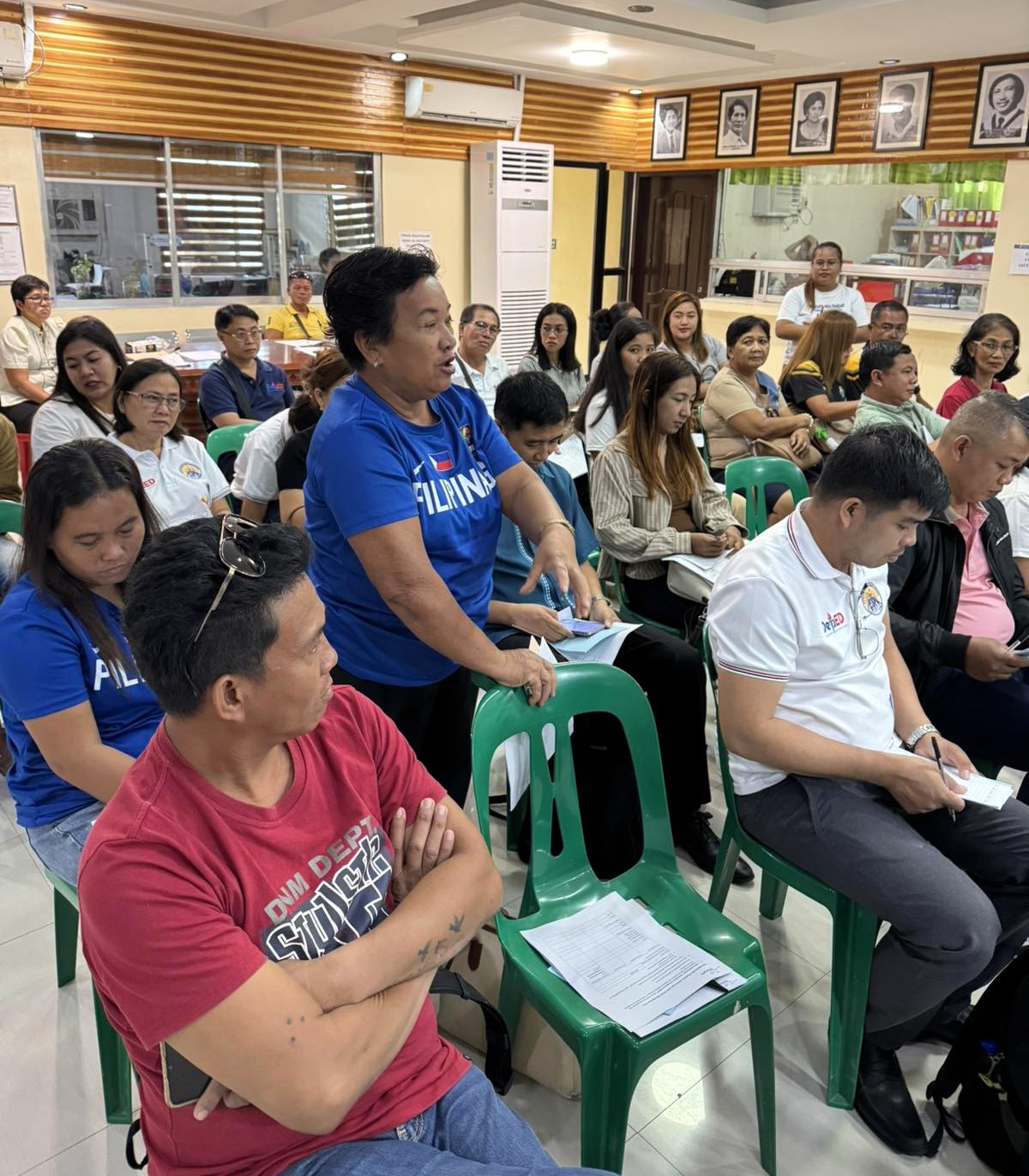
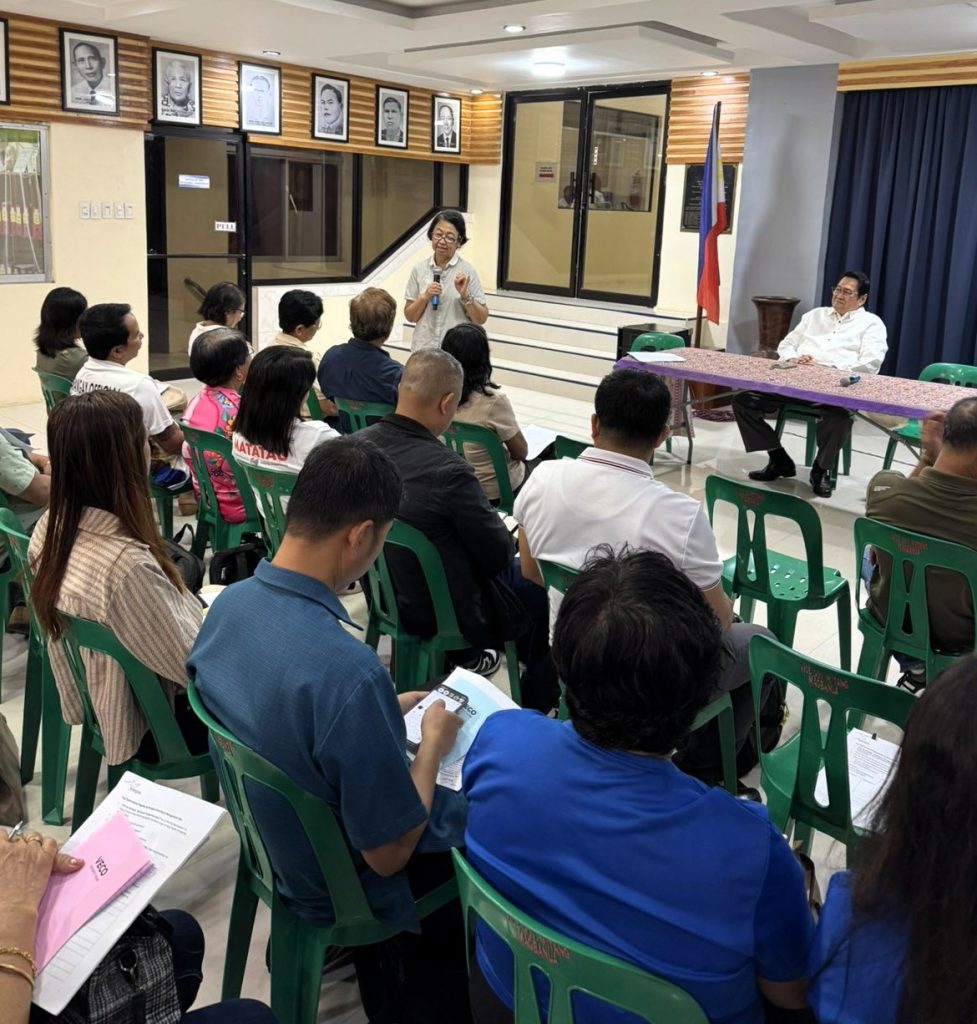
Assessment of  SAPIAN  Education and  Solid Waste Management

The Municipality of Sapian has a local chief executive who is happy serving his constituents.     Mayor Joe Villanueva’s mantra, “Ibigay  sa tao ang para sa  tao”,  personifies  his  genuine  concern and love   for the people of Sapian.   Several factors inspire him to love his town and his  work –  a loving life partner,  constituents who are pleased with  his service and his gratitude for the people he is committed to serve.  He believes in the saying, “love is lovelier the second time around”.

Education is the way  to success,  according to Mayor Joe.   The results of the CRLA  show 73%  of  Grade 3 students are grade ready in reading,  and  67% are  grade ready in English.   The results are not bad  but the consensus  among participants  and Mayor Villanueva  was  to increase the rating to 80%.  

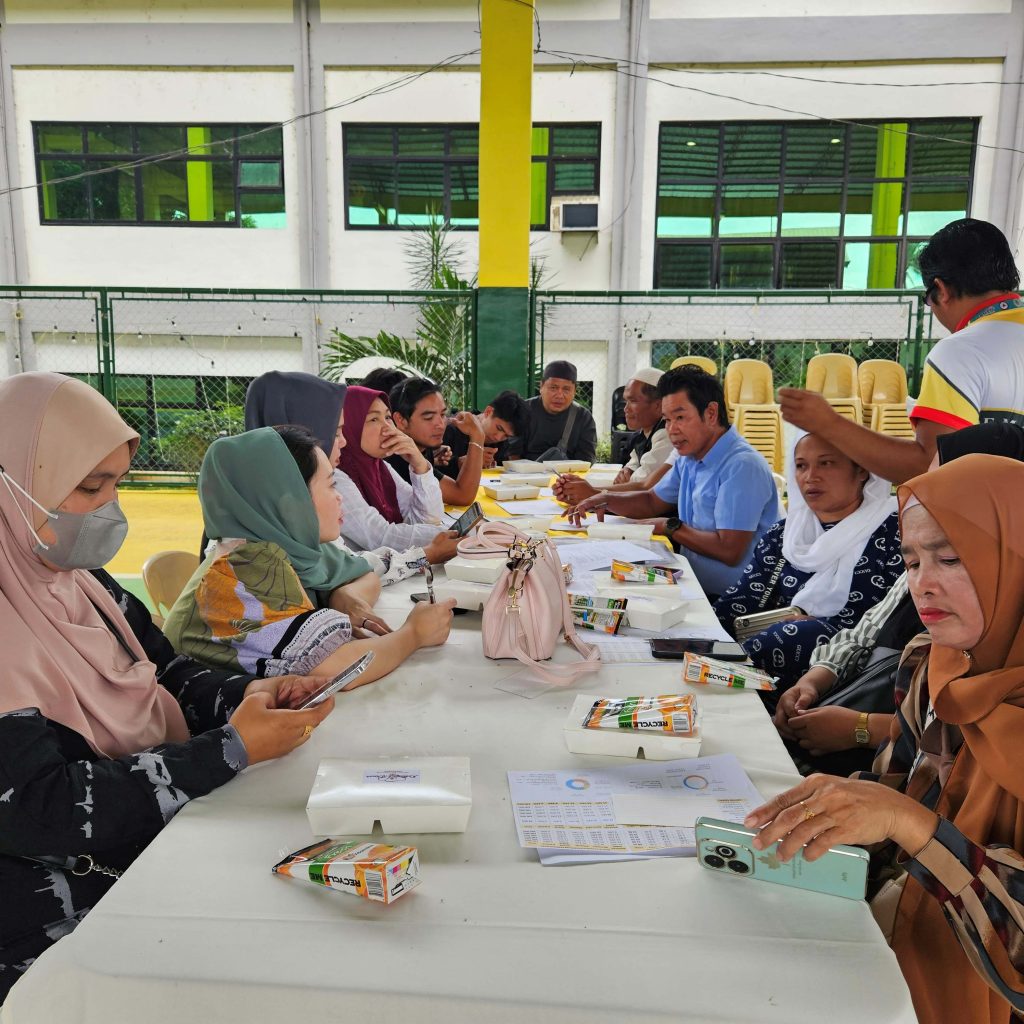
Random Assessment of  Barangays’  Sapian’s  solid waste management

  BarangaySWM Plan/Board Y/NRatingMRF (Y/N)Rating
Agtatacay NorteY3.5Y3.0
Agsilab (awardee)Y4.5Y (3)5.0
DapdapanY2.5Y3.0
PoblacionNN/aY (16)3.0
MalinangNo response from representative  
DamayanY3.0Y3.0
BilaoY2.5Y2.5
LonoyY3.0Y3.0
MajanludY3.0Y3.0

The LGU has a Ten-Year Solid Waste Management Plan  which is until 2027.   The MENRO is updating the plan.   The rating they gave is  4.0.   It has a central MRF   located at Barangay Maninang  serving  the Municipal area and Barangay Poblacion.    The property  with a  total land area of one hectare  was  purchased by the  LGU.      All garbage  collected  are  brought there.    They implement  a  “no segregation,  no collection”  policy.     Three (3) segregators  are working in the MRF  under a job order arrangement.    The facility has  a bottle crasher,  plastic shredder,  and  a vermi-bed for composting.   The LGU is working on entering into a partnership with Villar Foundation for  the processing of  shredded plastic and glass.

Plastic wastes  are  collected by ambulant vendors.    Sale proceeds  from plastics  are  used  to purchase  water and alcohol  for the workers  at the Central MRF> The LGU is  working on an arrangement  with  Passi City in Iloilo  for the transfer  of residual wastes.  The MOA  with Passi City  is  being  prepared.  The LGU is enforcing its ordinances  on  solid waste segregation but  they are  not yet at the stage  of  imposing fines and penalties. 

Challenges and Issues:  Garbage disposal and segregation system

The main problems identified were:

  • Waste segregation is not practiced in the entire LGU;  only two barangays  do
  • Lack of discipline  among community members/residents
  • Problem disposing of dead animals –  no standard rule
  • Difficulties enforcing  SWM Plan
  • Use/functionality of MRF needs  improvement –  may need to strengthen information and education campaign  and  advocacy

Plans on education  and  support needed

  1. Help struggling learners – absenteeism is high.  Learners  cannot cope up with lessons.  They need additional interventions
  • Support parents to improve their economic status –  developing livelihood programs (with the help of DSWD)
  • Development of learning materials that are relevant to learners’ context
  • Programs that will address social and emotional needs of children and their mental health
  • Last  mile schools – a checklist of needs  were asked  by  the  DepEd  but  no  support was  given

Wishlist of barangays

  1. PPE for MRF waste collectors and scrappers – rubber boots, face mask, rain coat, hand gloves
  2. Training on segregation,  recycling and composting
Fighting Climate change: From the ground up

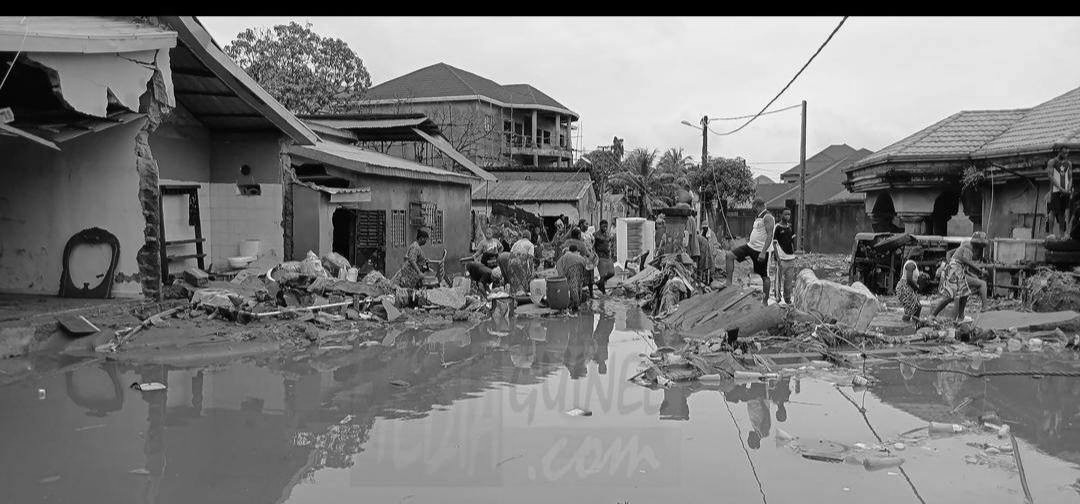
One Sunday morning, Barangay Mantapoli in Marantao woke up to something no one expected. Floods. Fast, forceful, and unforgiving.

Jehan, who’s lived there all her life, couldn’t believe what she was seeing. The rain wasn’t just heavy—it was angry. She’d seen storms before, sure. But this one? It was different. It felt like the sky had cracked open.

Over the past few years, Jehan had noticed the changes. Rainfall had become unpredictable. When it came, it came hard. The rivers that used to handle the flow now spilled over. Summers were no better. The heat was unbearable. Something was off. And deep down, she knew it wasn’t just bad weather—it was climate change, creeping in.

She shared all this during a climate change workshop led by Synergeia. It was a space where people could speak freely. And many did. They talked about how even a small town like Marantao wasn’t safe from the effects. But they also admitted something else: climate change wasn’t acting alone. We were helping it along.

Trash was everywhere. People dumped waste without thinking. No segregation. No system. Some still burned plastic, even though they knew it was harmful. The local plans? Either weak or nonexistent.

But the workshop didn’t end in frustration. It sparked action.

Together, the community came up with a roadmap for solid waste management. Four key steps stood out:

  1. Strengthen Information and Education campaigns.
  2. Run awareness drives in schools.
  3. Set up proper waste collection points.
  4. Organize regular barangay clean-ups.

Jehan didn’t just listen. She acted. She joined the Barangay Waste Management Team of Mantapoli.

It wasn’t a grand gesture. But it was real.

Because she realized something important: the fight for a cleaner, safer environment doesn’t rest on government alone. It starts with people like her. Like us.

Guardians of the Lake: Abdila’s Story

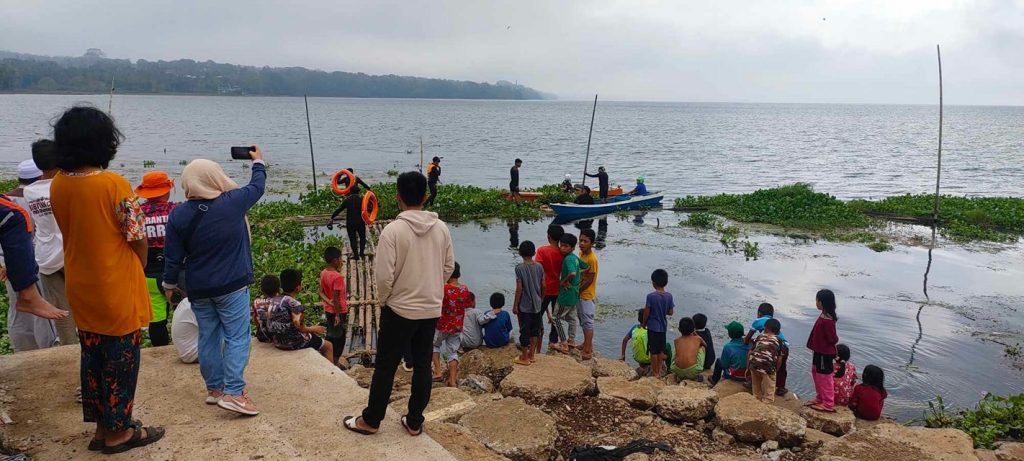
At 4:30 every morning, long before the sun casts its golden reflection on Lake Buluan, Abdila Dalib is already preparing for his daily rounds. At 42, he wears many hats: a father to six children, a husband to a wife working abroad, and a garbage collector in the lakeside municipality of Mangudadatu, Maguindanao del Sur.

His story isn’t just one of survival—it’s one of quiet heroism.

With limited job opportunities in their community, Abdila’s wife made the difficult decision to work as a domestic helper in the Middle East. Her remittances are a lifeline, but they’re not enough to sustain a growing family. That’s where Abdila’s job comes in—not only as a means of livelihood, but as a pillar of their children’s education.

But being a garbage collector in Mangudadatu is no ordinary task.

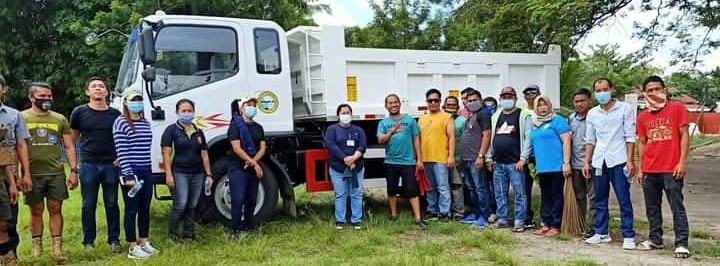
Armed with only one garbage truck for over 4,000 households, Abdila and his team serve a community riddled with challenges. The lake, once a source of beauty and bounty, now receives waste from unmanaged open pits, worsened by floods that wash unsegregated trash from the uplands down into its waters.

And then there’s the danger.

Some of the villages Abdila visits are home to armed groups, using the lake’s pathways to evade conflict and arrest. Bullet casings sometimes mix with food waste and plastic wrappers—silent reminders of the risks Abdila faces just to do his job.

Yet he continues. Every day. With dignity.

Because for Abdila, this work is not just about collecting garbage—it’s about protecting the lake, the heart of their community.

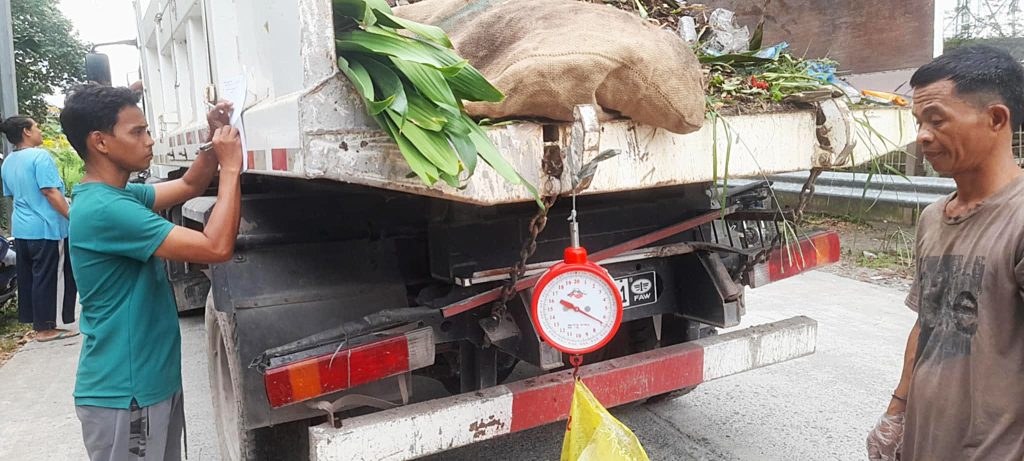
When he separates and weighs PET bottles and explains to families why it matters, some laugh. Others listen. But Abdila doesn’t mind. He knows that education begins with example, and for every child that sees a garbage collector treat waste like it has value, a seed of awareness is planted.

The sale of PET bottles brings in a little extra cash—a small relief on top of a meager wage—but more than that, it gives him hope. Hope that the community will learn. Hope that the lake will heal. Hope that his children will inherit not a problem, but a solution.

As Abdila puts it:
“We are not just collecting garbage—we are guarding the lake. We are stewards of our home, for our children and the generations to come.”

bursa escort bursa escort

bursa escort görükle eskort görükle escort bayan bursa görükle escort bursa escort bursa escort bayan