“Real leadership is about transforming limitations into possibilities.”- Robin Sharma
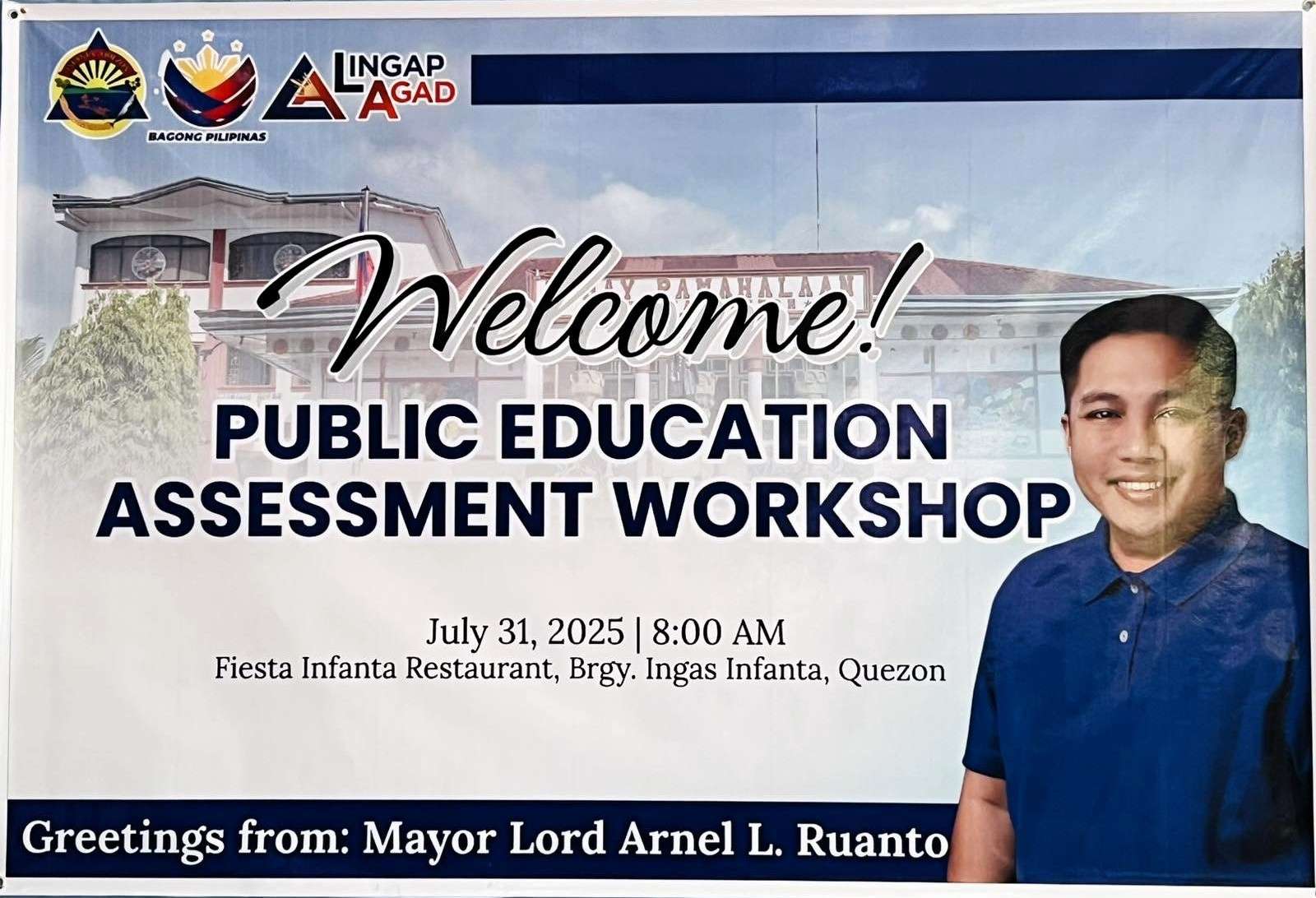
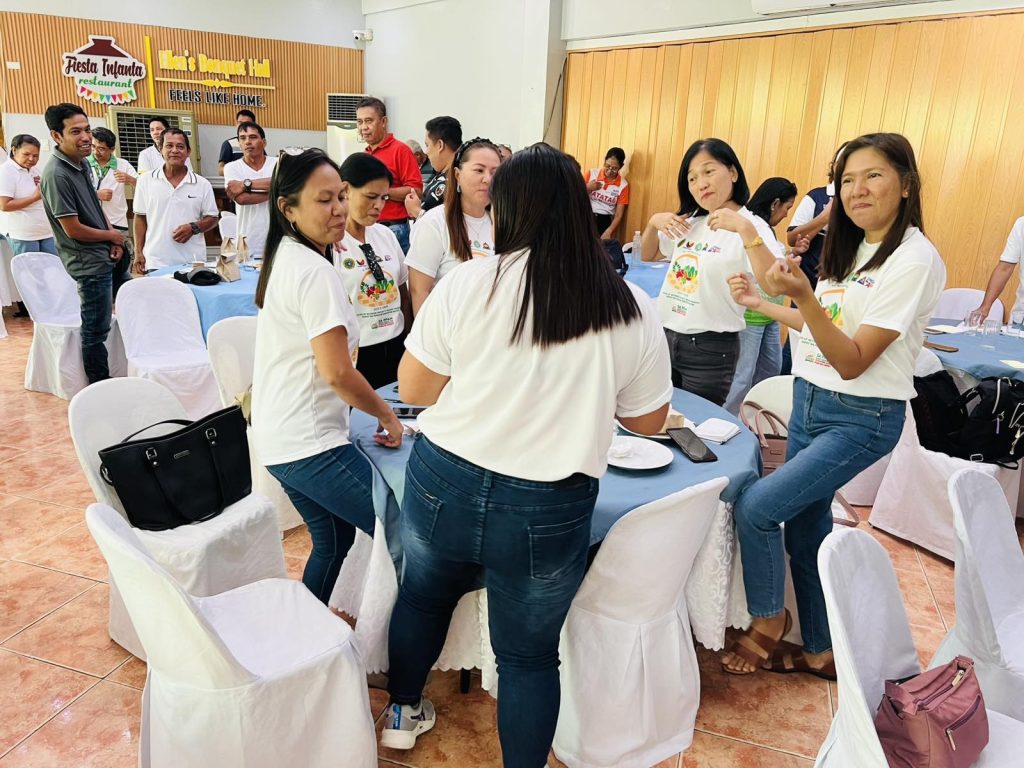
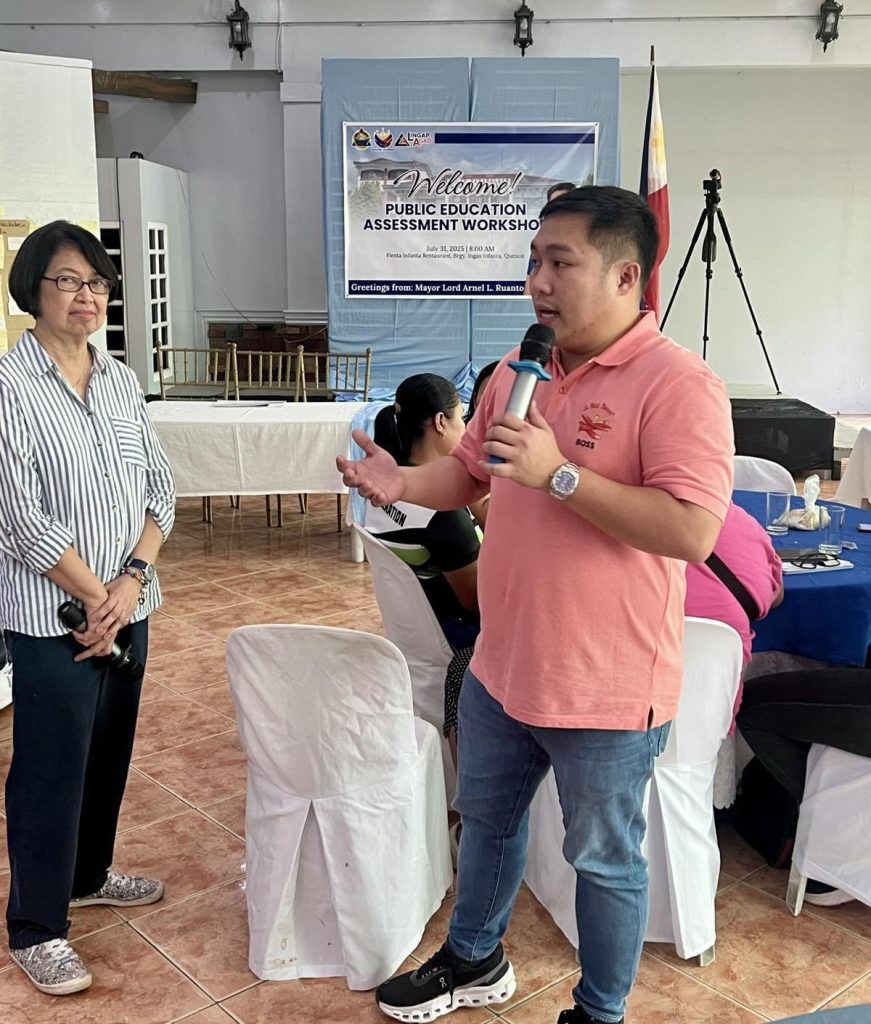
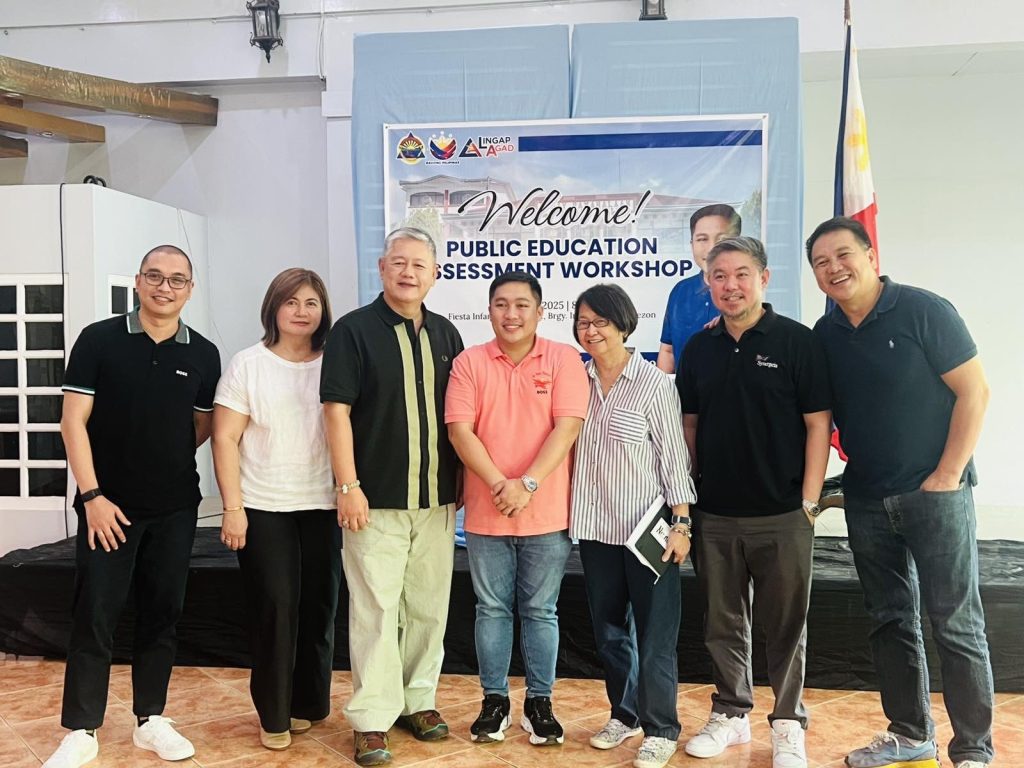
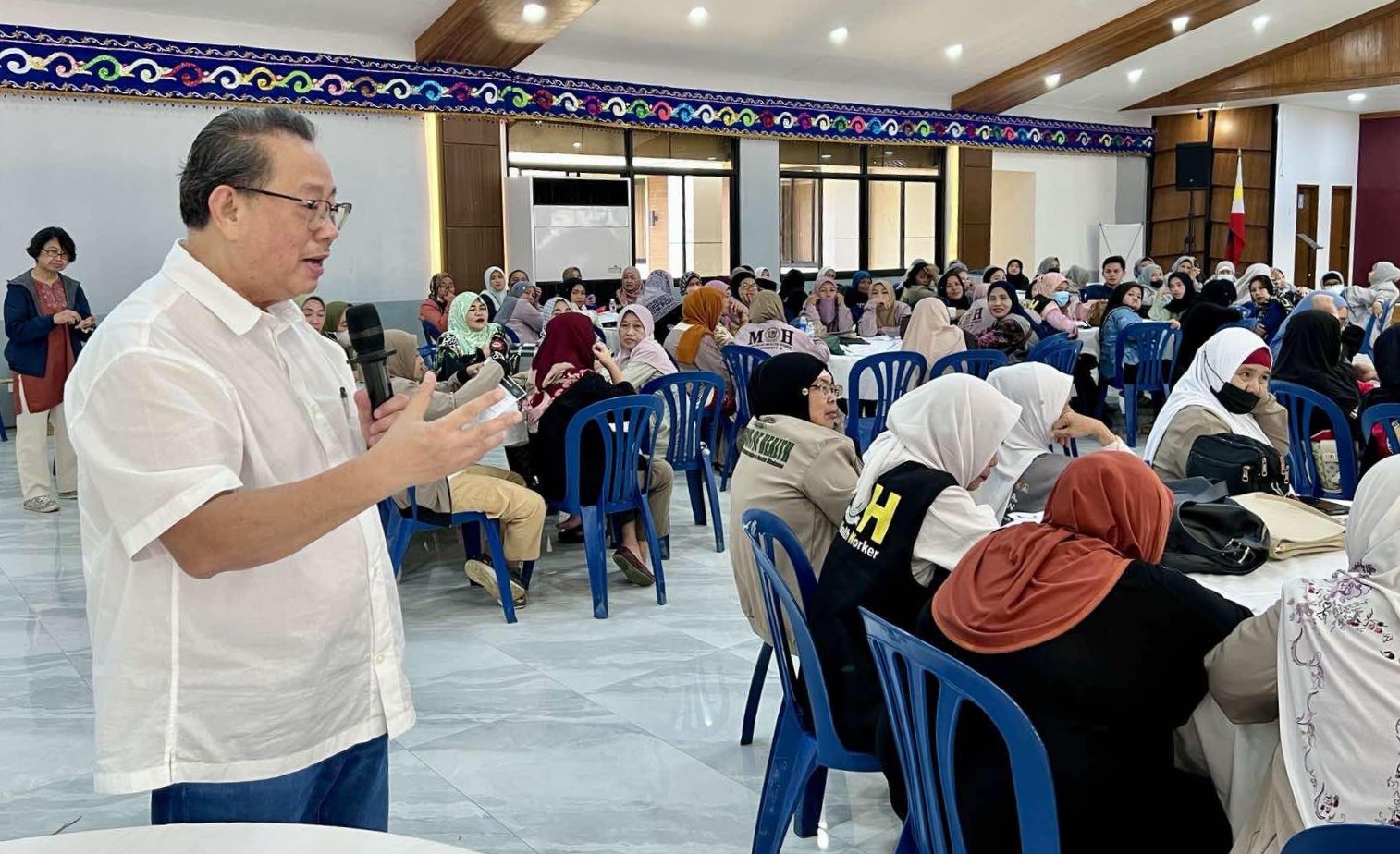
This was echoed by the newest LGU leader in Synergeia’s movement, the recently-elected Mayor of Infanta, Quezon, Lord Arnel Ruanto during the education assessment workshop conducted by Synergeia with the town’s stakeholders- public school principals, teachers, barangay leaders, parents, DepEd officials and LGU officers.
Mayor LA, as he is fondly called, listened to the issues and concerns of his constituents which negatively affect reading literacy and performance among its students.
Based on data, Infanta’s reading literacy and performance is remarkably weak and challenged by many considerations, including: a. Lack of familiarity and knowledge about the role of Local School Boards in education governance; b. Lack of learning resources; c. Apparent lack to weak involvement of parents in effectively helping their children to read and raising their discipline and values in the use of gadgets; d. Lack to weak capability of teachers in teaching reading; and e. Need to improve community support.
To this end and considering the importance of LGU leadership and support, Mayor LA affirmed his commitment to address these challenges through well-designed programs which are aimed at delivering better data on reading literacy and performance in Infanta.
Synergeia’s partnership with the Infanta LGU innovates on models of data-driven changes in education in the country utilizing the power of LGUs to transform communities toward sustainable frontiers of learning and capacity-building.
Since 2022, Synergeia has made it a priority to spend time each year with the Barangay Health Workers (BHWs) of Marawi City. Over time, we have formed a meaningful bond with these dedicated community workers, inspired by their growing commitment to their roles as community health advocates. The transformation of Marawi’s BHWs is a story of learning, empowerment and purpose.
In the beginning, many of the BHWs served in title only. Their work lacked the passion and compassion that are essential to the role. They had limited knowledge of basic medical care, such as first aid, and were unable to offer guidance on preventive health measures. But through consistent training and support from Synergeia—made possible by a grant from the Asian Development Bank (ADB), they began to evolve.
They were trained in first aid and essential medical care, including monitoring blood pressure, blood sugar, oxygen levels, and body temperature. They also learned to use devices and tools like BP monitors, glucometers, oximeters, and thermometers. This hands-on training empowered them to respond more effectively to medical emergencies and provide proactive community care.
Over time, we witnessed a profound transformation. The BHWs grew in confidence and took pride in their work. They became respected health partners in their communities, regularly assisting residents with health checks and medical guidance. Residents of the community began to visit health centers for routine blood pressure and sugar monitoring. BHWs also conducted house-to-house visits and health profiling to assess residents’ conditions and update the barangay health database.
Their role expanded further: assisting doctors and nurses with vaccination drives and deworming campaigns, supporting pregnant mothers with prenatal checkups, and spreading awareness about essential health programs from the City Health Office. They became trusted messengers, encouraging community members to seek medical attention and adopt healthier lifestyles.
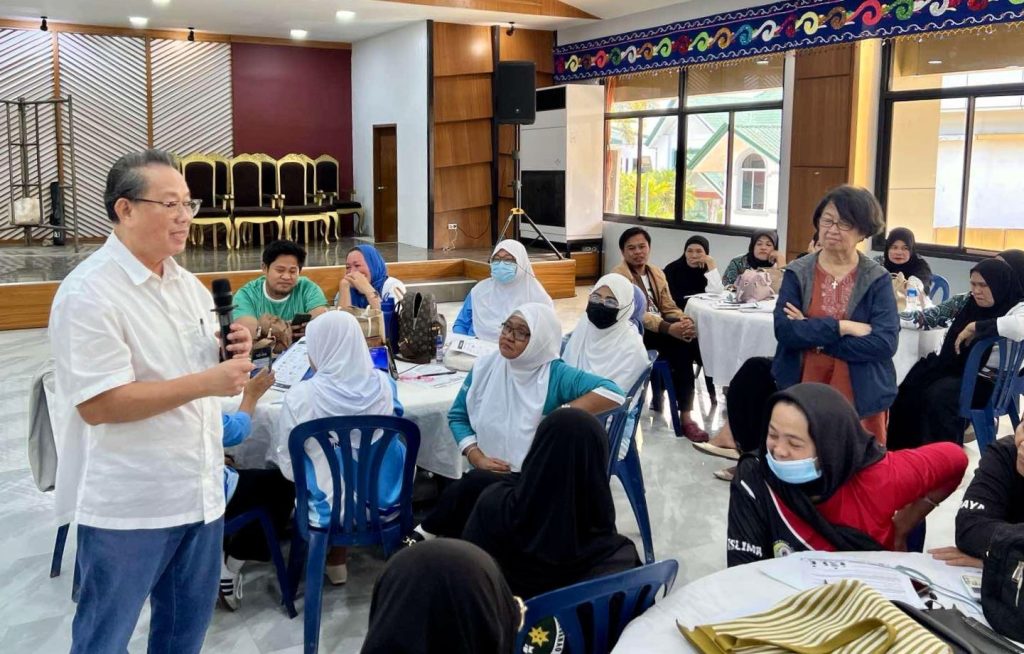
At the most recent Synergeia training on July 5, 2025, BHWs shared the many ways they’ve been making a difference: conducting surveys of household and communal toilets, identifying malnourished children, supporting mothers during post-partum care, promoting family planning, and emphasizing the importance of child immunization.
During the session, Dr. Rey Aquino shared practical tips on preventive health care—how to avoid illness through self-care, stress management, a healthy diet, regular exercise, good sleep, and routine medical checkups. He reminded everyone that “health is wealth,” and that lasting change begins with a healthy lifestyle and strong social support.
But the journey doesn’t end here. The BHWs expressed a desire for continued capacity-building. They want to be better equipped to address post-partum care, child development, and child malnutrition. They wish to deepen their understanding of infectious diseases such as tuberculosis, HIV, and STD, learning how to recognize symptoms, educate others on prevention, and provide appropriate care. They also emphasized the need for further education on sanitation, proper toilet use, waste management, and access to potable/clean water.
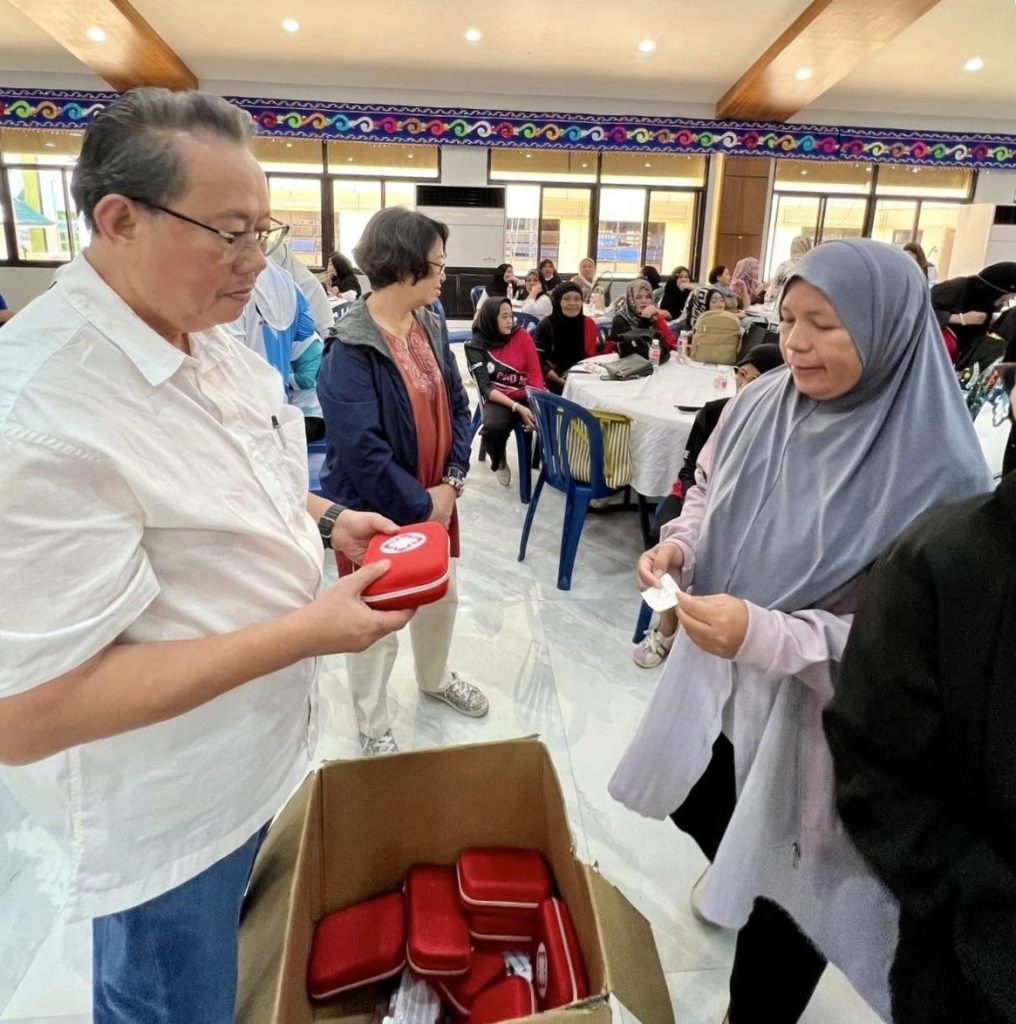
As the training concluded, the BHWs acquired new knowledge, first aid kits, a supply of essential medicines, and hearts full of hope. Their journey reflects the power of education, the value of community service, and the beauty of transformation. They are not just barangay health workers—they are champions of health and healing in Marawi City.
Our visit to Dagami Elementary School in Maasin, Iloilo was intended to find out why Grade 3 learners scored very low in the reading assessment test conducted last year. Based on the test results, there are children who could not answer even one comprehension question correctly. These findings were validated when we had a session with two Grade 3 classes – Sections Sterling and Euro.
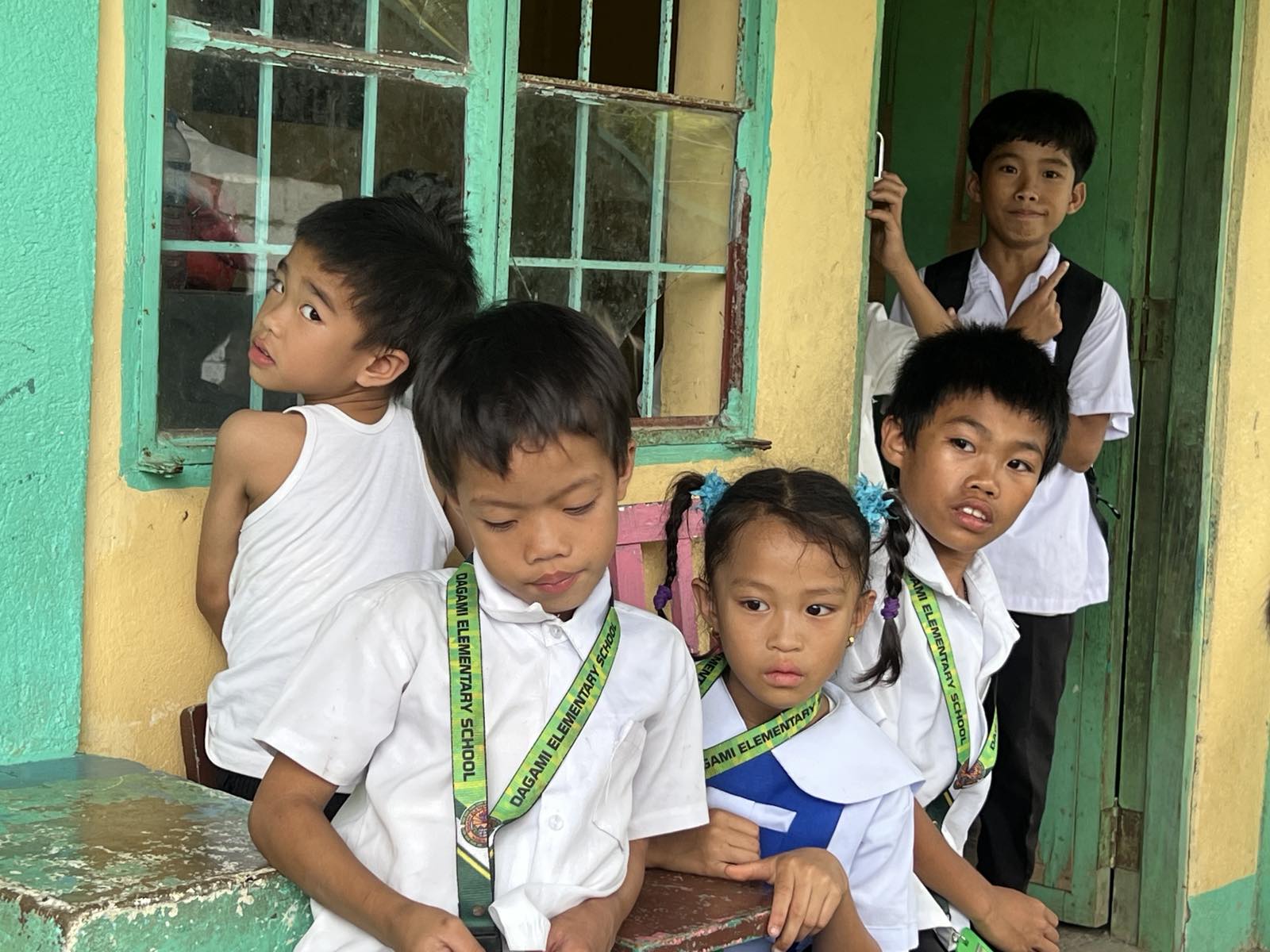
Dagami is one of the 50 barangays in the Municipality of Maasin, Iloilo. An upland barangay, it is 675 ft above sea level. The road to Dagami Eementary School is long and winding. When we reach the school, we immediately visited a Grade 3 classroom. Upon entering the room we noted that children are timid, they look sad, others are expressionless and always facing down. Most children are stunted or small for their age. Most are 9 years old but they look like they are only 5 or 6 years old.
When tested in Reading, children can recognize sounds of letters and do simple blending. And the good news is they can read simple words such as “bag”. It was a challenge for them to read “teeth” and “morning” but they are able to do so when guided. However, they do not understand English questions. They cannot answer basic English questions like “what is your name?”, “how old are you?” Teacher Mary Jane said they are not fluent in English and Filipino language. Hiligaynon is used as medium of instruction. Children understand Hiligaynon better but they are being transitioned to Filipino and English according to Teacher Mary Jane. Another observation is they do not know how to compare and contrast. They have difficulty processing “short” vs “tall”, “small” vs “big”. It appears they need help in developing critical thinking skills.
Mam Nene did not do a story reading and instead asked the children to sing two songs. It was a joy to hear them sing “this is the way we brush our teeth” and “when you’re happy and you know it – clap your hands, stomp your feet, twist your hips”. The children grin from ear to ear.
During conversation with parents, they share stories of daily struggles in life. Rain or shine, they walk with their children to school every day. Going to the school entails 2 to 3 hours of walking. Since it is an upland area they start trekking as early as 5AM to be in school before 8AM. Children take breakfast while walking to school. Breakfast consists of rice and coffee. Going home, children get so tired and they fall asleep right away.
When asked what support parents needs from the Local Government, a mother with seven children becomes emotional and said her eldest son needs P3,000 for his TESDA NC2 assessment on shielded metal arc welding. She has saved up P1,000 and needs to save more to complete payment for the assessment fee. To help out, Maasin SB John Mondejar committed to provide the remainder of the TESDA fee. Another mother said the trek to the school is rough and asks for medical assistance for her son who has difficulty walking. A father who works as a driver said he supports his family and sends his children to school. His wife is an overseas worker. All they want is for their children to complete education.
Geographical disadvantage, hunger, and lack of better opportunities. We can feel the struggle of parents. Against all odds they do what is best for their children and family.