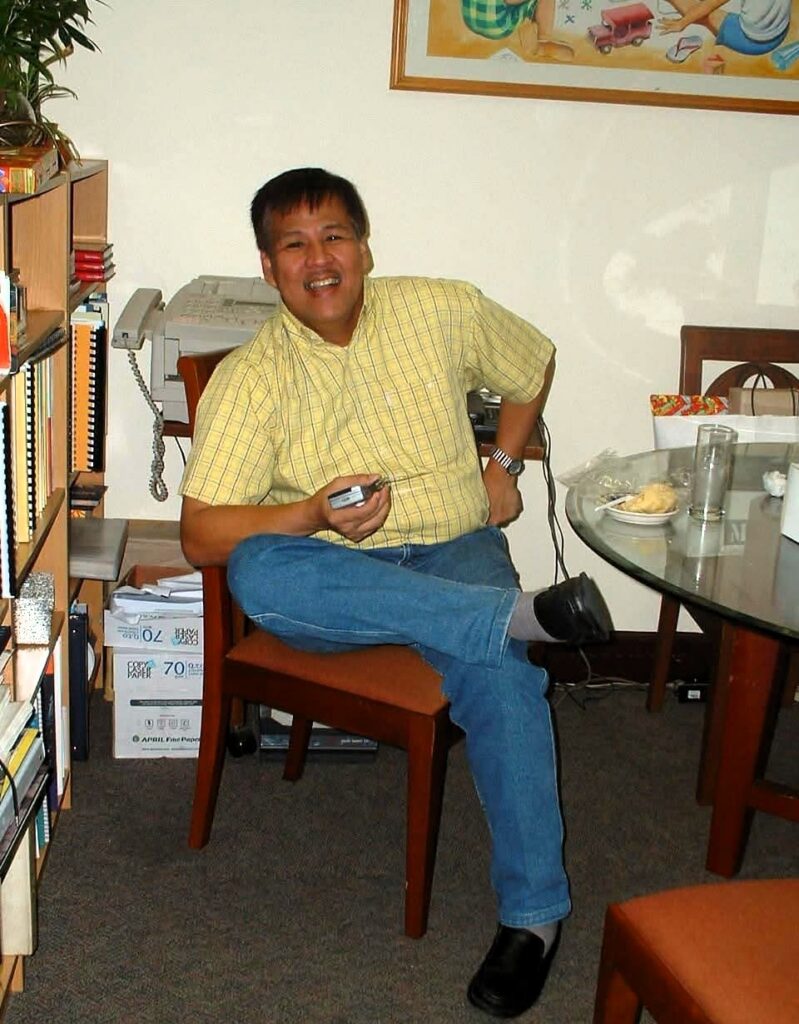
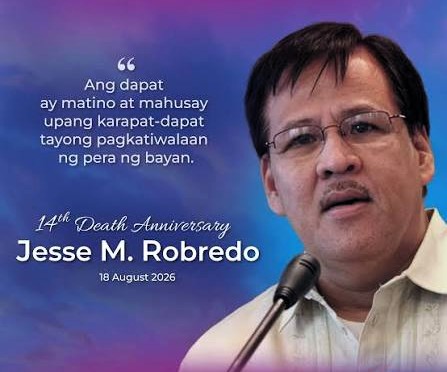
This morning, they found Jesse’s body. People hoped and prayed but it just wasn’t going to be. So instead of being sadder, I’d rather dig up my memories of him.
I have more to say about this incredible man. I remember about eight years, in one of his speeches to Synergeia teachers and Mayors following his lead, he talked about “transparency.” I was quite impressed. The word was just coined, gaining currency among non-profits who then were not even identified as civil societies or good governance groups. Jesse articulated this word in conjunction with having the Naga City budget on a website so anyone could access and check who’s spending what. That was even more incredible. I mean, transparency to me still was a fashion term like gauzy or showing skin. This guy was saying something earth-shaking, like Where Your Taxes Are Going.
He didn’t suffer fools easily. He had little patience for Department of Education heads who were bureaucratic and turf oriented protecting teachers who were lazy and incompetent. He would relate stories of cleaning that area up at the expense of gaining enemies. He would push for a merits system for teachers if they got their students smarter. Naga’s students outperformed their peers in the country.
But he didn’t lace all his work saying it ” Was For The Filipino Children.” He wasn’t into advertising himself. It was a public duty. Interestingly enough, the Obama Administration later introduced the same merit system with its teachers just like Jesse’s formula. And I never heard him ever mention his Magsaysay Award or any of the numerous others he received.
What fascinated me was meeting a Mayor who may as well have been the Dept of Education head for the region or the country. Before Jesse, mayors to me where these guys who raided their education fund budgets and instead of using it for the schools, would spend the money for uniforms for the student athletes and for their fatty selves and then hold these provincial sports games hopefully getting to Boracay or Baguio. You’d think after all these years of sports meets, we’d get one fucking bronze medal in the Olympics. It seemed the money was wasted on beer and jackets.
Jesse was not in that league. He taught Mayors and teachers about the education fund, how to get the PTA’s to wrestle the money from sports meets and spend it on teacher training and field trips to museums. He shamed those other mayors and became a model for using their authority and influence to make education work in their district.
There was a good and upright man called Jesse. There will be others. Instead of mourning too long, let’s figure out what we can do to carry on his good work.
Thank you Jesse for helping our nation’s children be smarter.
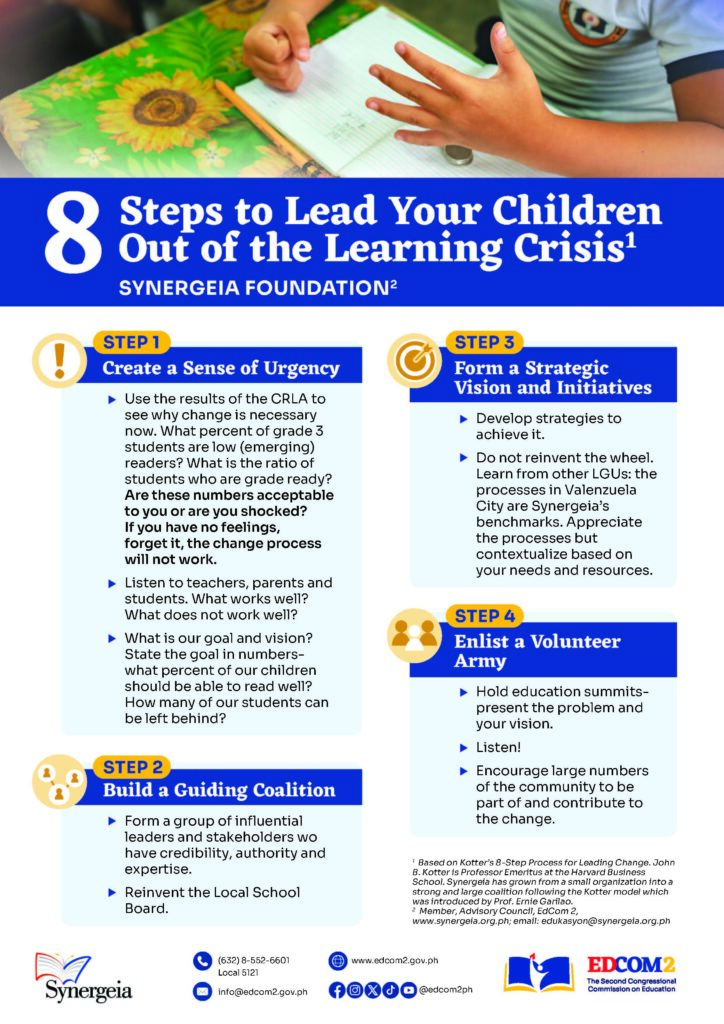
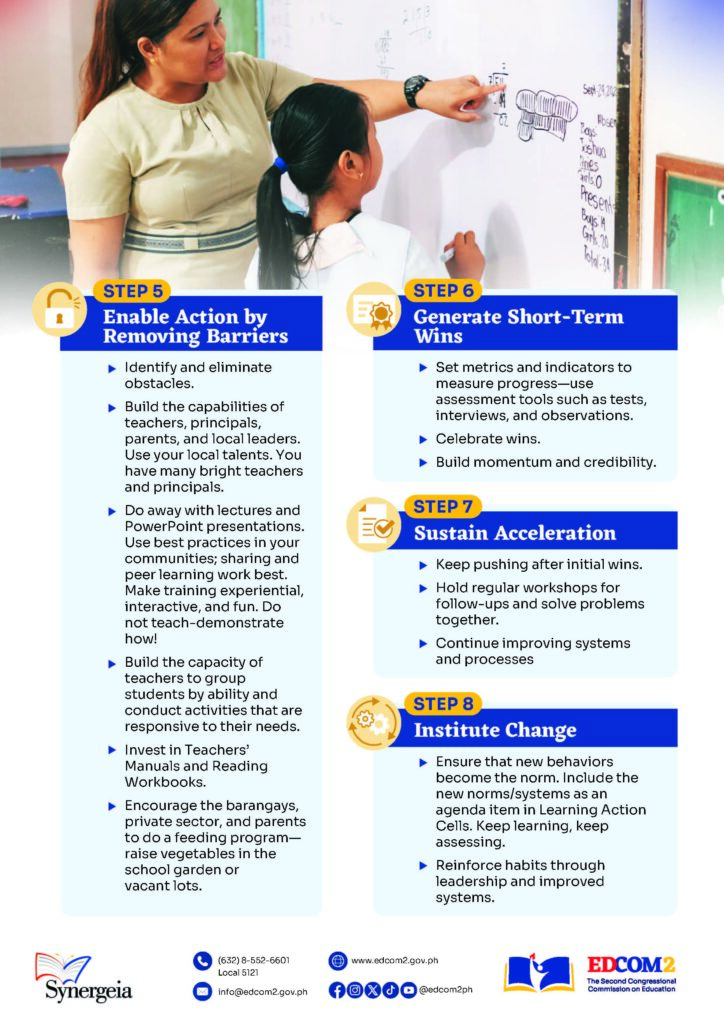
Based on Kotter’s 8-Step Process for Leading Change. John B. Kotter is Professor Emeritus at the Harvard Business School. Synergeia has grown from a small organization into a strong and large coalition following the Kotter model which was introduced by Prof. Ernie Garilao.
Synergeia Foundation is a member of the Advisory Council of EdCom 2
His message was clear: start small, stay consistent, and work together to change the Philippines.
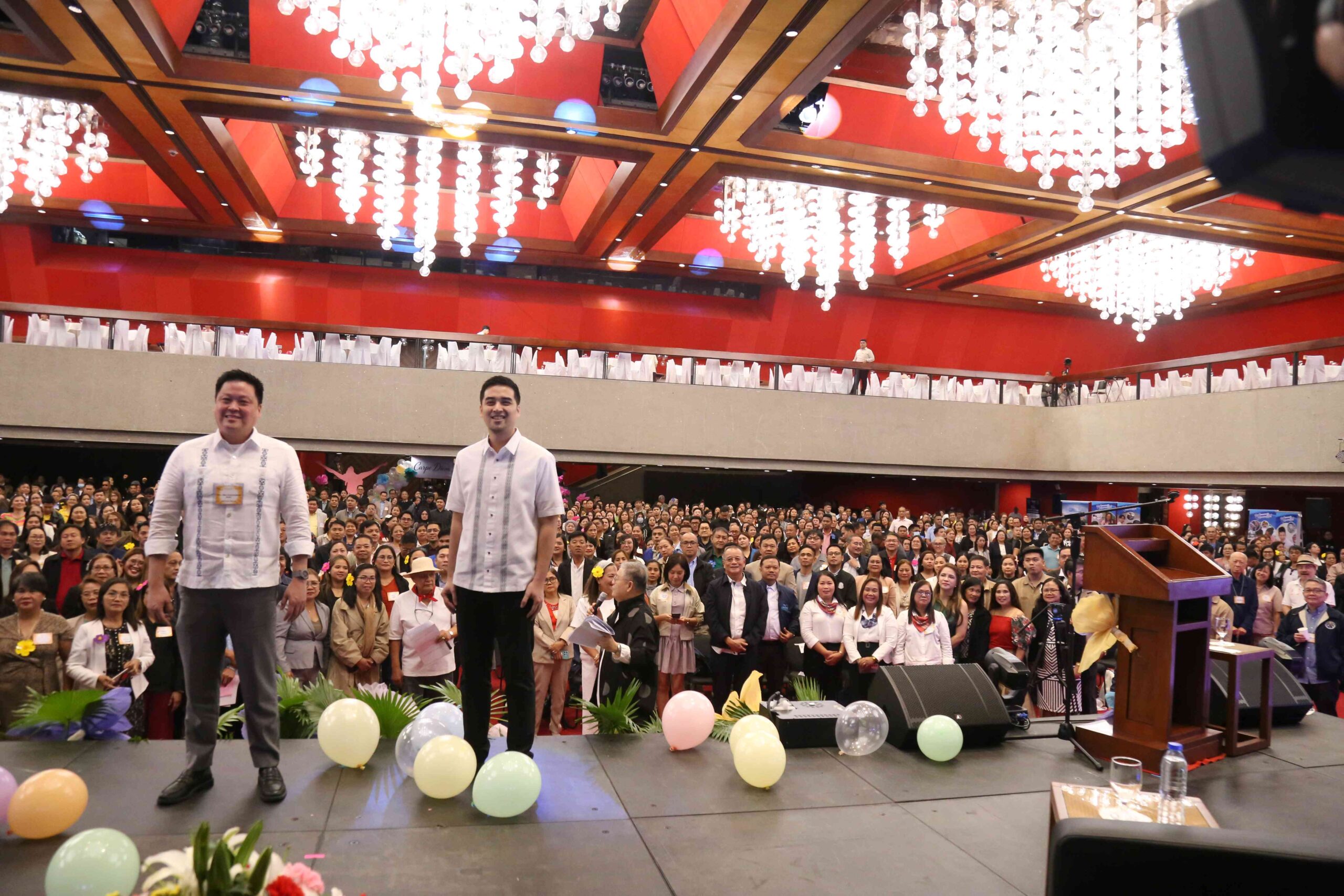
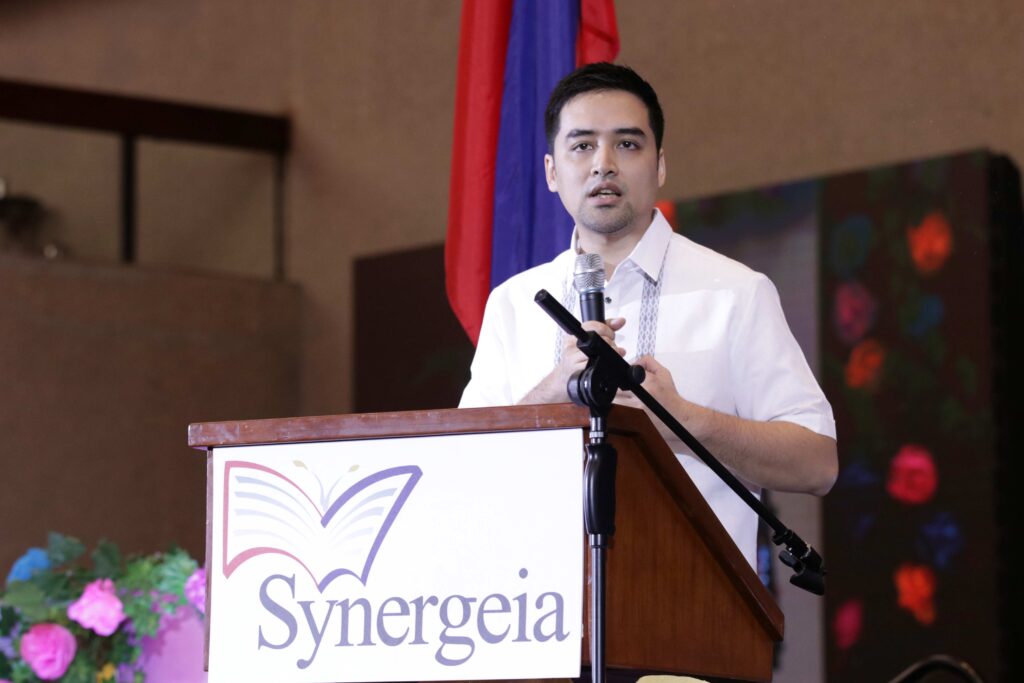
Addressing hundreds of public servants and education stalwarts at the recently held 2026 Washington Sycip National Education Summit, Mayor Vico Sotto underscored the value of collaborative mentorship in advancing good education governance.
“Alam na po natin at siguro, kaya tayo nandirito from Luzon, Visayas, and Mindanao, dahil nakita natin kung paano nakakatulong ang Synergeia Foundation. Kami po, bilang isang Synergeia LGU, talagang masasabi ko po na grabe ang naitulong sa amin ang guidance ng Synergeia and the ability to connect with other LGUs. So, Synergeia has really been instrumental in improving our educational outcomes. Grabe po talaga. Kaya, ang aking walang sawa at taos-pusong pasasalamat sa lahat ng officials and members of Synergeia Foundation,” the Pasig City mayor said.
He added that Pasig City looks for top-performing models across different sectors and adopts their best practices. For instance, they recognized Valenzuela City as a leader, especially in education, so instead of reinventing the wheel, they chose to replicate what already works. They also expressed gratitude to Secretary Rex Gatchalian, the said city’s former mayor, for generously sharing these best practices.
Inspiration That Endures
Mayor Vico Sottto highlighted how timely the topic was, especially amid growing public disillusionment with government due to corruption scandals and poor outcomes in areas like education, including high numbers of struggling readers. In this context, he raised the question: what continues to inspire and sustain hope among public servants, educators, and NGO workers? What keeps them motivated to pursue reforms and improve outcomes despite these challenges?
“Pero, minsan, lalo kapag mga kabataan ang kausap ko, minsan nalulungkot ako kasi para bang ang baba ng level of hope. Para bang yung iba, papasok pa lang sa trabaho, maguumpisa pa lang ng karera, disillusioned na sa sistema natin. Parang ang laging itinatanong, may pag-asa pa ba? May pag-asa pa ba? Yan ang laging tinatanong palagi sa akin pag nag-iikot ako, lalo na sa mga paaralan sa Lungsod ng Pasig. Mga student leaders. Yan ang madalas na tanong. At ang sagot ko naman parati, una siyempre dapat manatiling mataas ang pag-asa natin,” he shared.
In his thought experiment, choosing a one-way trip to a year like 1896, 1945, 1986, or 2026, to illustrate that despite today’s challenges, he and perhaps many would still choose 2026. Mayor Vico Sotto suggested that, overall, life and opportunities have improved over time. Even amid current problems and scandals, it reflected a belief that society and government are moving in a generally positive direction.
He said that the first step is to recognize the problems and to tackle them head-on without feeling disillusioned and hopeless, while having resilience and grit, and striking the balance.
Small Choices Matter
He also stressed the importance of small steps, whether they lead to good or bad outcomes, saying “Kaya mukhang tama lang na hindi strictly speaking education ang pinag-uusapan natin ngayon kasi nabanggit na lang din ang flood control. Pag pinag-usapan natin shortage of classrooms, maaring puwedeng sabihin na hindi, magkaiba naman yung budget niyan, so yung problema dun sa flood control hindi yan problema dito. Puwedeng sabihin yun. Puwedeng i-argue yun”.
“Pero, ang tutoo, it’s the same ecosystem that allows for this kind of problems in our infrastructure dahil pag tinanggap natin yang maliit na lagayan, pag tinanggap natin yang maliit na kickback-an, sa ibang lugar, palaki nang palaki ito. Walang malaki na hindi nagsisimula sa maliit. Walang ghost project ha hindi nagsimula sa limang libo, sampung libo na bigayan. Positive or negative, anything big starts with something small,” said Mayor Vico Sotto.
He mentioned as an example the journey of Carlos Yulo, showing that his success, from practicing on beds and pillows to becoming an Olympic multi-gold medalist, did not happen overnight. While talent and good genes helped, he said it was daily disciplined training, proper nutrition, wise choices, and consistent effort over time that made his achievements possible.
Evidence Drives Change
Following the example of other Synergeia local government units, Pasig City is committed to a data-driven approach in education.
Mayor Vico Sotto urged his constituents to be empirical, “Na huwag maging bulag-bulagan sa datos, tingnan nang mabuti ang datos para maging guideline ito sa policy-making natin, sa development ng programs and projects natin.”
He went on to explain in their reading camps, “Noong first term ko at naabutan ng pandemic, lagi kong tinatanong, “Ano ang results ng previous Reading Camps?” Wala daw pre-test, walang post-test. Tinatanong ko sila, “Bakit? Ba’t walang pre-test, walang post-test?” Di ba basic naman yan. Sa kahit na ano’ng programa, dapat alam mo ang resulta ng programa mo.”
Asked how they would measure outcomes without a baseline test, he shared “Ang sagot sa akin, “Eh kasi dati nag-pre-test, nag-post-test, hindi ganoon kaganda ang resulta.” Hindi naman puwede yun. Dapat, kung hindi maganda ang resulta, para mabago natin yung programa. Siguro lahat tayo, ganoon mag-isip.”
Mayor Vico Sotto said they pushed for changes and, with support from both staff and community members, implemented interventions that yielded results, most notably, their latest summer Reading camp showed a 20-percentage-point improvement from pre-test to post-test. He added that that was just one small example, but it illustrated that small, consistent actions, like using pre- and post-tests, build over time, ultimately driving larger reforms, better policies, and improved literacy outcomes. Mayor Vico Sotto concluded his speech with this encouragement: “Kaya, anuman ang posisyon natin, anuman ang influence natin, anuman ang kapasidad natin, let us continue to make those good decisions. Let’s change our culture, let’s change our society, let’s change our government for the better. And, collectively, pag pinagsama-sama natin, lahat ng mga effort natin, we will pave the way for a better Philippines. Not only for ourselves, but more importantly, for the next generation of Filipinos.”