This training activity was made possible through the generous support of the PTC-CSJ Foundation in partnership with Synergeia Foundation.
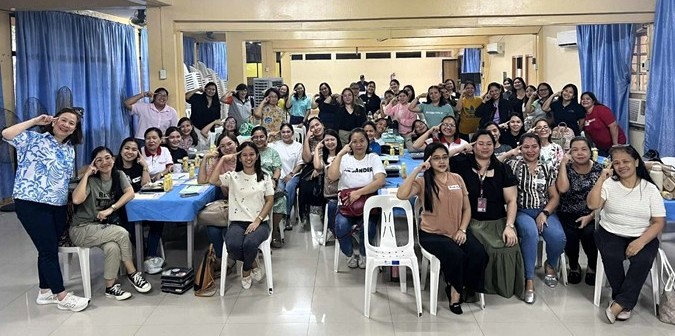
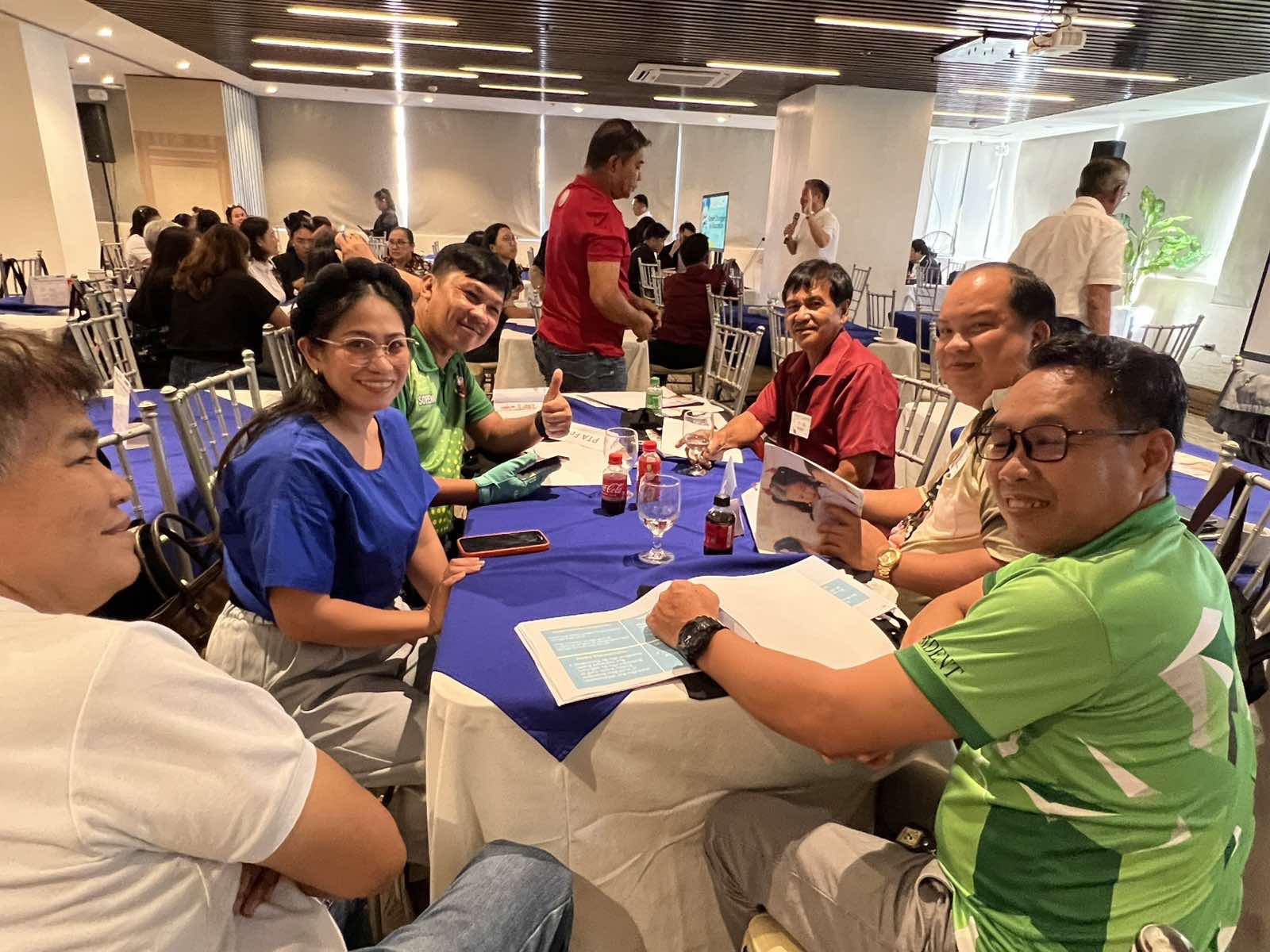
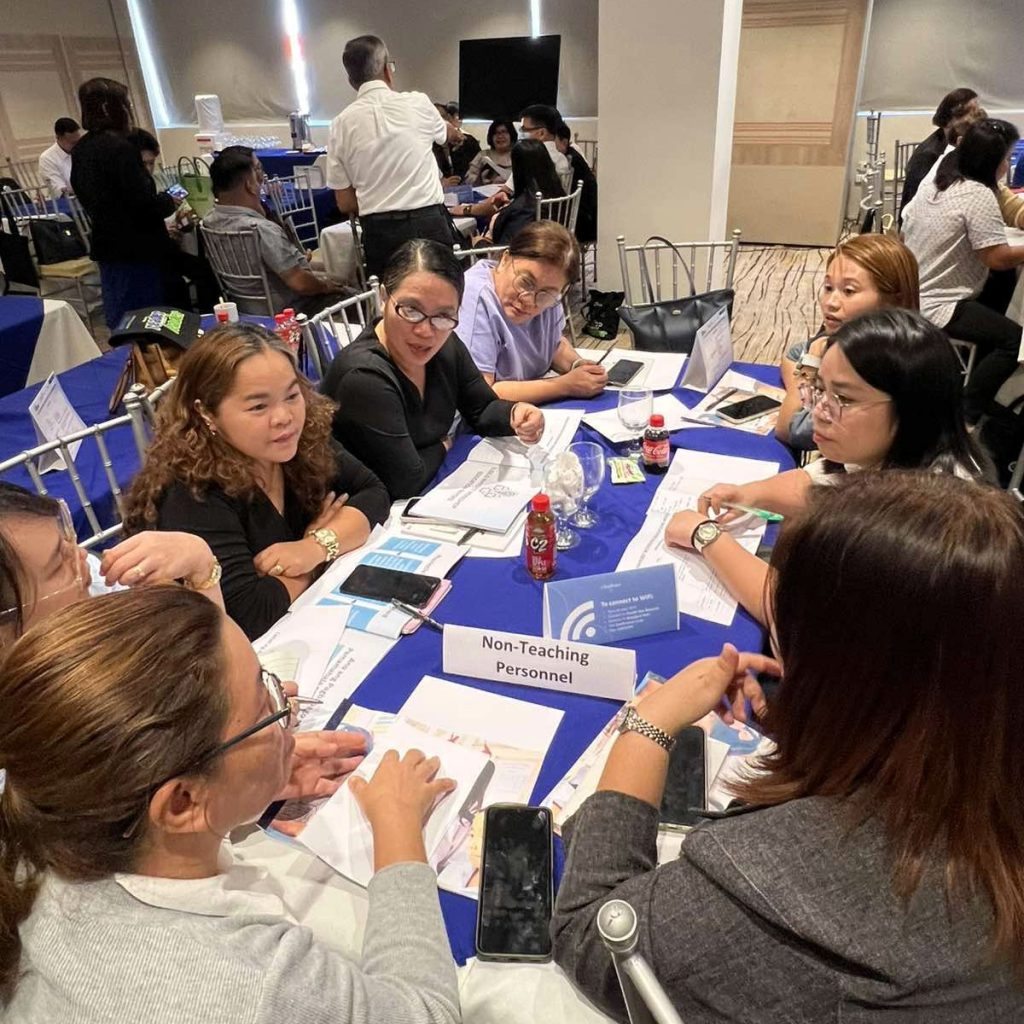
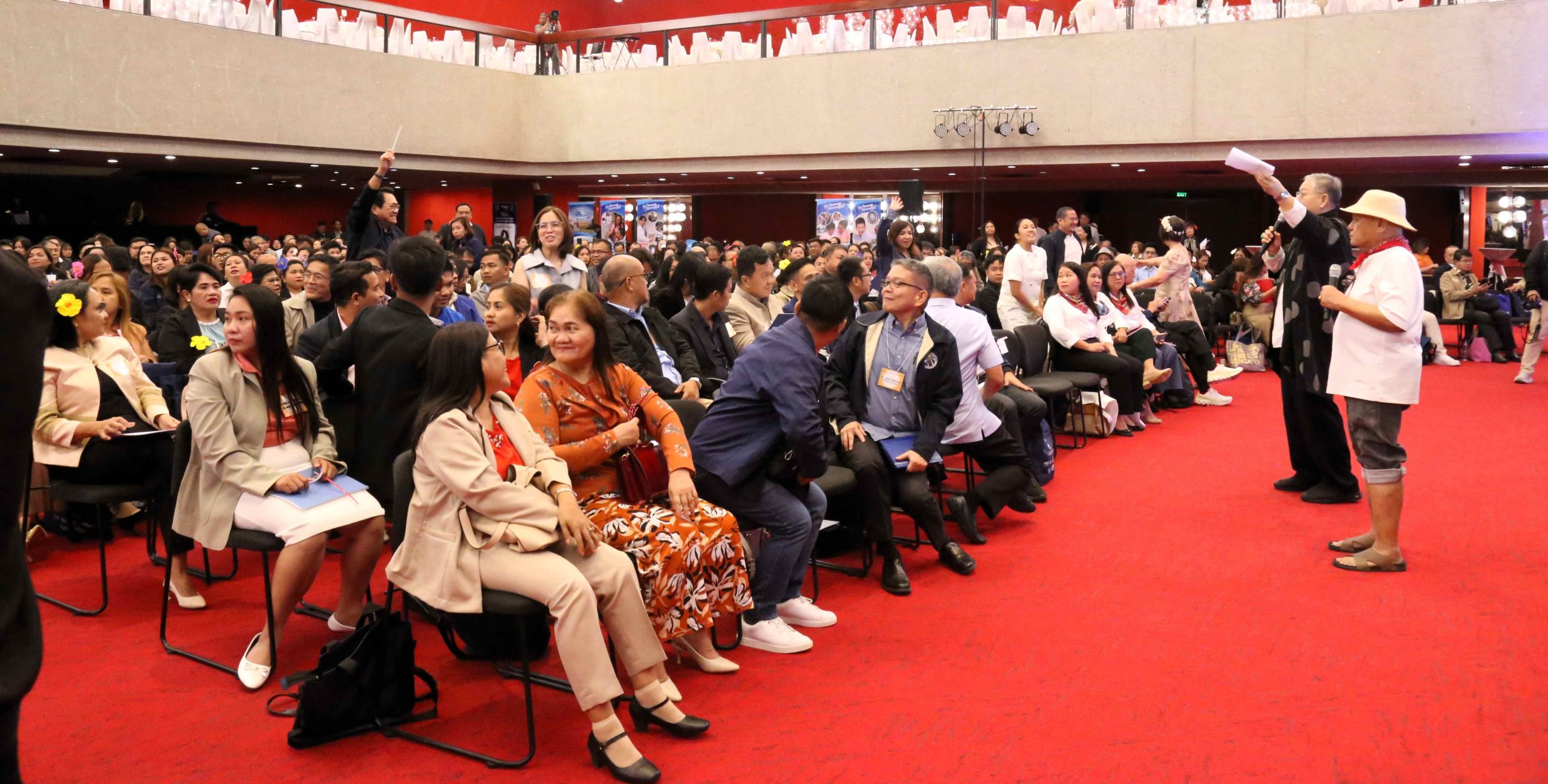
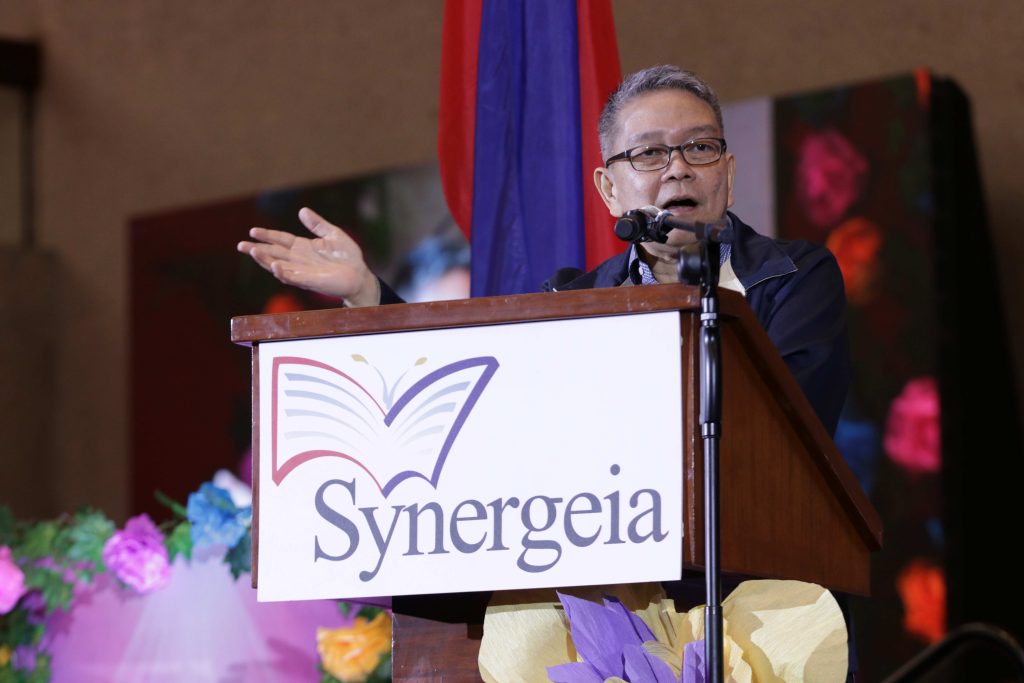
On November 15, 2025, about 60 kindergarten and grade one teachers from 3G partner schools in Quezon City—including Bago Bantay ES, Toro Hills ES, Project 6 Special Science ES, Mines ES, and GSIS ES—gathered at the Social Hall of Toro Hills ES for a focused professional development workshop. Despite it being a Saturday, attendance was nearly complete, reflecting the teachers’ strong dedication. It was truly a well-spent Saturday devoted to enhancing teaching competencies.
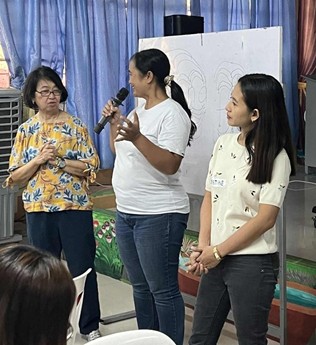
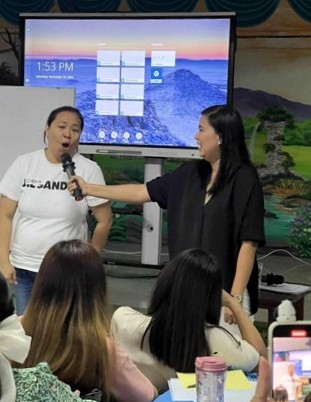
The training was expertly facilitated by Dr. Milwida Guevara, Founding President of Synergeia Foundation, with the assistance of Ms. Oliya Gyen Matias, an early childhood advocate who founded a playschool/daycare center.
The workshop emphasized foundational methods for teaching children to read, with a focus on phonemic awareness—a critical early literacy skill.
Key components of the training included:
Understanding phonemic awareness as the cornerstone of reading development
Accurate articulation and blending of sounds (phonemes) to build decoding proficiency
Blending sounds to form words
Development of comprehension skills to support meaningful reading
Storytelling techniques to captivate and engage young learners
The session incorporated interactive exercises and storytelling that encouraged active participation, fostering a dynamic and engaging learning environment. As an additional treat, participating teachers received giveaway products from Ever Bilena, which included soap bars and soothing gel.
This capacity-building activity aligns with the shared mission of PTC-CSJ and Synergeia Foundation to strengthen basic education by equipping teachers with evidence-based skills and methodologies that support children’s literacy development and promote a lifelong love of reading.
Local School Board (LSB) officials and education champions from Iloilo’s Proof of Concept (POC) LGUs gathered for a full-day workshop aimed at strengthening their collective commitment to the devolution of basic education. The event became a space for reflection, sharing, and reimagining how local governments can drive meaningful reforms in education.
A Call to Collective Leadership
Board Member Jason Gonzales opened the workshop with a heartfelt message underscoring that education is an “infinite game”—something that is never ending. He expressed gratitude to Ma’am Nene and Synergeia for their values-based and mission-led partnership with Iloilo, enduring shared vision and shared goals. He underscored the importance of deepened stakeholdership where local governments taking ownership and working in synergy with stakeholders for quality education. He urged everyone to continue to deepen stakeholdership to continue Iloilo’s mission to improve public education. If LGUs will continue to share best practices, pursue innovations, improve skills and tools on education— the rest will follow as long as we have a relationship that is based on shared goals. When leaders pour their heart into education, the outcomes inevitably improve. For Provincial Administrator Banias, the challenge is ensuring that empowered LSBs sustain their gains and carry the program forward.
Ma’am Nene followed with a reminder that local government is the hope of the nation. She described a portrait of a model LGU leader—participatory, passionate, collaborative, systemic, and strategic. Real change, she stressed, requires not only skills but a heart and the correct mindset. A true leader must be a game changer in education.
LGUs Best Practices, Innovations, and Emerging Challenges
Mayors and LSB members presented a wide spectrum of local innovations and strategies anchored on reading and numeracy, stakeholder engagement, and strengthened governance.
1) Focused Reading/Numeracy Programs
· Igbaras launched Project JOVIC – a reading and numeracy program and hired remedial reading teachers, and implemented pre- and post-assessments to measure learners’ performance and determine effectiveness of interventions
· Lemery invested ₱550,000 in remedial reading teachers, legislated education-supportive ordinances, and upgraded data management.
· Guimbal activated SK involvement in reading initiatives—boosting learner motivation and outcomes.
· Mina institutionalized data sharing with the LSB, leading to increased LSB budget allocation for reading interventions.
2) Strengthened Local School Board
· Barotac Viejo expanded its LSB membership to include parents, CSOs, and more community actors—resulting in richer ideas and more collaborative decision-making.
· Batad reported improved internal coordination within its LSB, using performance data and budgeting to prioritize reading.
· Iloilo City invested in learning materials, feeding program, and classroom repair.
3) Community-Driven Efforts
· Leganes recognized its teachers through a municipality-wide celebration of teachers day, and awarding best performing teachers based on learner outcomes.
· Cabatuan hired 20 local tutors using its SEF, and strengthened parent engagement through “Bagting sa Pagbasa.”
· Lambunao implemented the Barangay Basa Program, mobilizing retired teachers, SK leaders, and education students. Barangay officials and SK were held accountable for education outcomes.
4) Community voices like PTA President Sir Manuel affirmed improvements in participation and community engagement, noting increased participation in LSB meetings and data-driven action.
5) Significant Budget Reforms
· Sara showcased a dramatic increase in education funding—from ₱1M to ₱9M—pooling both current and prior unspent SEF. Their focus areas include reading, funding LSB-hired teachers, scholarships, and learner transport.
DepEd Data: The State of Reading in Iloilo
Dr. Nestor Pingil of DepEd presented updated CRLA results for Grades 1–3. Highlights include:
70% of Grade 1 learners enter school as slow emerging readers—unable to identify basic letter sounds.
Significant improvements appear by Grades 2 and 3, but only 11.53% of Grades 1–3 learners are reading at grade level.
POC LGUs outperformed control LGUs, showing the impact of intentional interventions.
He emphasized the urgent need to strengthen sound recognition starting in Kindergarten.
Mayors and LSBs as Game Changers
Governor Lito Coscolluela shared former Valenzuela City Mayor Rex Gatchalian’s critique of traditional LSBs—short-sighted, deaf, slow to act, and monopolistic. He presented the Valenzuela model of a revitalized, multi-stakeholder LSB as a blueprint for transformation.
His key message: Reform must begin with the LGU.
Education is everyone’s responsibility—from assessment to planning, implementation, and evaluation. The DILG is likewise urging LGUs to broaden stakeholder participation in local special bodies and local councils.
SOAR Analysis: Redefining Roles of LCEs and LSBs
Vice Mayor Jay Jalandoni facilitated the workshop helping participants examine their Strengths, Opportunities, Aspirations, and Results toward deeper LCE involvement in education.
Accountability: A Central Debate
A recurring insight emerged: No single actor (teacher, school heads, LCEs, parents) claims full accountability for a child’s learning performance.
· Teachers pointed to parents.
· Parents pointed to teachers.
· School heads pointed to homes/parents.
· LSB members named teachers.
· Mayor Aying emphasized that LGUs hold moral, not legal, accountability—but that moral duty should be more than enough.
Without shared accountability, he said, “we are like a feather that can be blown away by water.”
Opportunities for Reform:
· Re-engineering LSBs
· Strengthening parental discipline and involvement
· Teacher–parent collaboration
· Improving SEF planning and utilization
· Reducing non-essential SEF expenditures (e.g., excessive spending on sports and socials)
Clear, measurable indicators of success must guide program monitoring and spending decisions.
Ma’am Nene summarized the pillars of improving reading performance:
· Strong leadership of LCEs
· Reinvented and inclusive LSBs
· Data-driven planning and budgeting
· Co-partnership and co-financing
· Shared accountability for learning outcomes
Cluster Workshop on Financing Education
During the cluster workshop, each group shared strategies to raise funds and optimize SEF utilization. Proposals included:
Strengthening networks with community stakeholders
Ensuring transparent, accountable SEF management
Prioritizing expenditures that directly affect/impact learning outcomes
Key Takeaways
The Iloilo LSB Workshop affirmed that education reform is possible when LGUs lead with correct mindset, purpose, data, and heart. The POC has already demonstrated significant gains in learning outcomes and governance innovation. Yet the deeper message from the workshop resounds clearly:
Every mayor, every LSB, every stakeholder must become a game changer.
Every child’s learning is everyone’s accountability.
The momentum is strong—and Iloilo is poised to redefine what local leadership in education can truly achieve.
What made the difference in the recent Regional Education Council (REC) dialogue in Davao City?
It was the unexpected yet unprecedented presence of the important leaders who possess a unique blend of gravitas, confidence, and authenticity that captivates and inspires those around them. They command attention of others who listen intently to what, why and how they do things.
Synergeia has always expressed its belief in the transformative power of leadership presence in the work it does with local leaders and communities. Its founder and chief mentor, Dr. Milwida Guevara, never hesitated to ask, probe and manifest disappointment in situations where the Governor or the Mayor is MIA- missing in action. And why is that?
Because Synergeia values leadership presence as it HELPS:
HASTENS the building of trust and connection with their teams on a deeper level.
ENABLES leaders to inspire confidence and motivate others to take action.
LEADS teams to effectively navigate difficult situations and communicate their vision and goals.
PROVIDES a more visible stamp of interest and support of leaders to initiatives that address issues and challenges of communities.
SETS a culture of collective participation, engagement and collaboration in communities.
During the BARMM-REC meeting, the leaders were present. They were there to connect meaningfully with their stakeholders, listen emphatically to the problems at hand, share experiences and insights on actual cases, strengthen partnerships and cooperation and move forward with concrete actions.
The powerhouse of leaders included:
DSWD Secretary Rex Gatchalian (Former Synergeia Mayor/Education Champion)
DILG Richard Villacorte , Director of Support to Local Governance Development (SLGP)
Former Mayor Oscar Moreno / Chairman of Northern Mindanao REC
3 BARMM Members of Parliament and 1 Vice Governor (All former Mayors and partners of Synergeia)
24 Mayors and Vice Mayors from Central Mindanao, Lanao del Sur and Sulu
It was an extraordinary moment where leadership presence made the REC to shine as a potent tool for education governance and pushed the agenda of raising reading competencies and literacy to the limits of infinite possibilities.
This is where the REC can really move education to new frontiers of innovation, change and commitment.
Truly, when leaders come together, our children win!