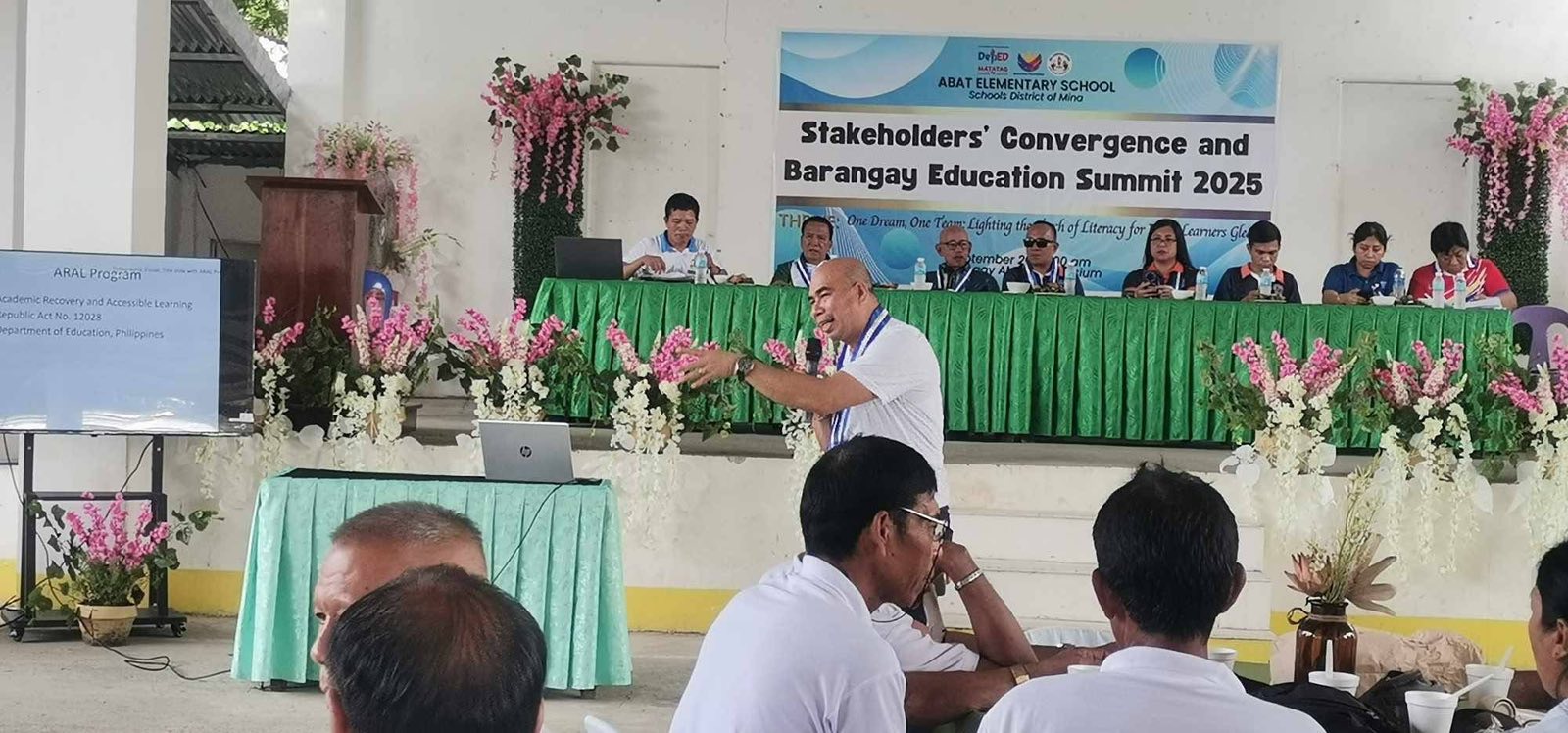
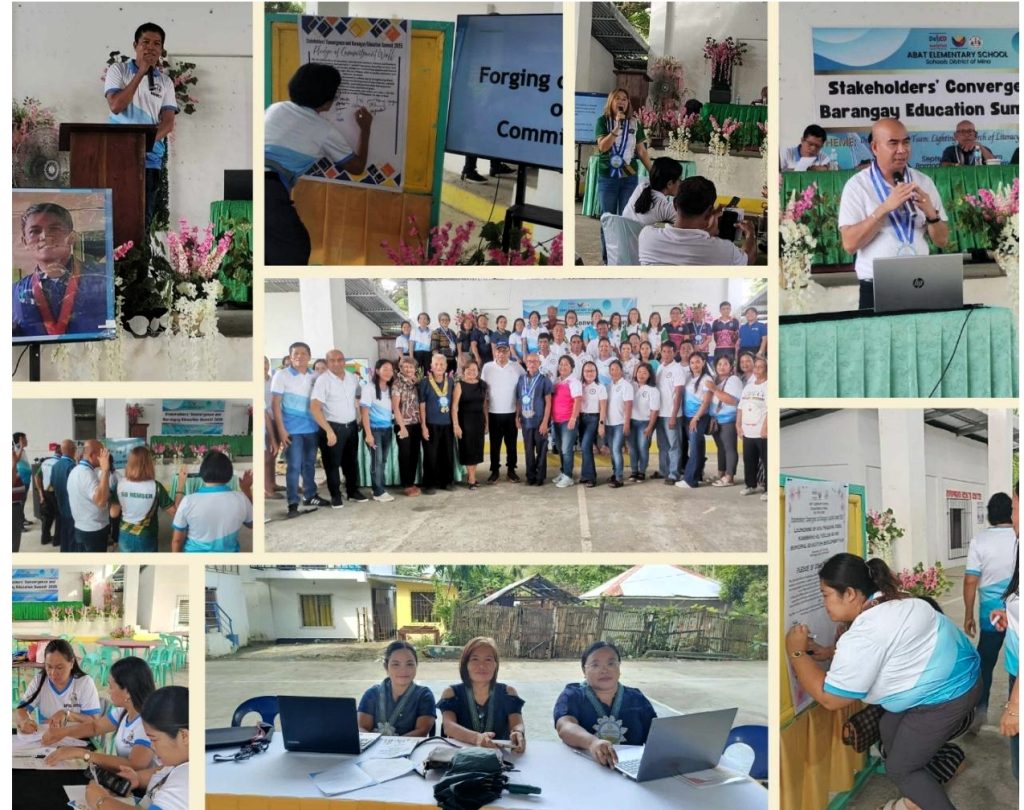
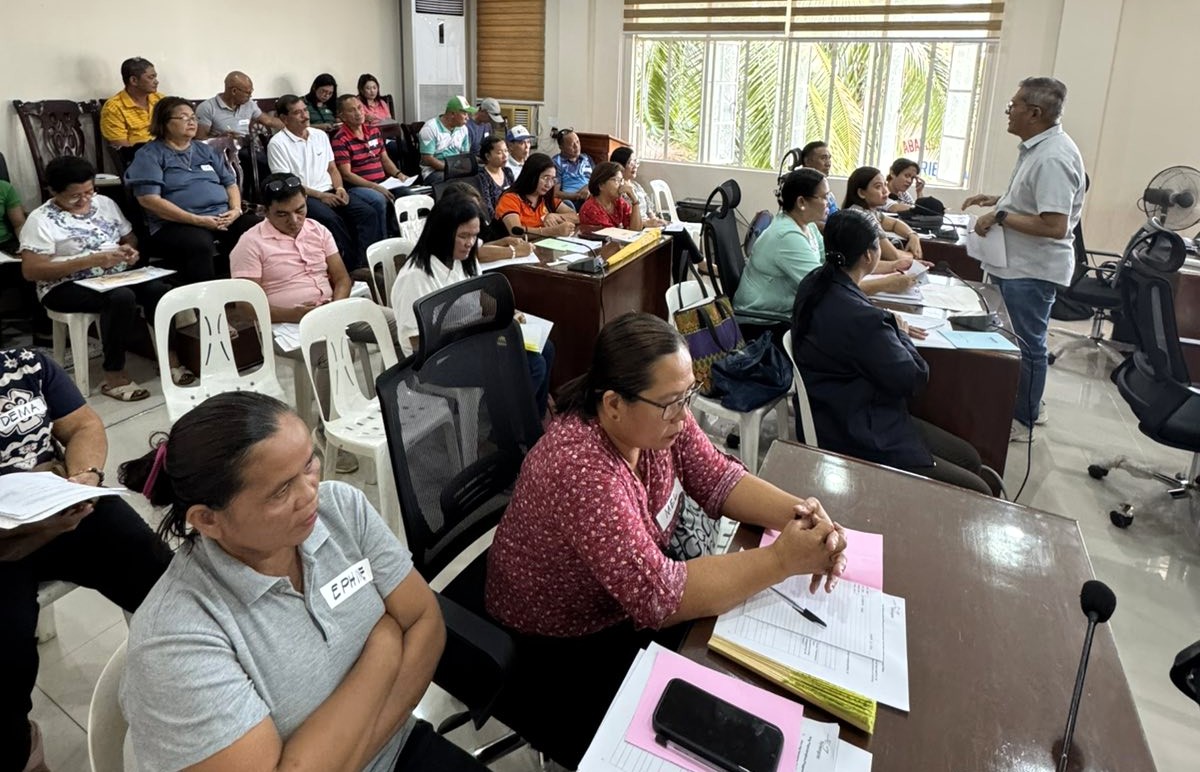
Abat Elementary School gathered the entire community in a powerful show of unity during the 2025 Stakeholders’ Convergence and Barangay Education Summit held on September 26, 2025, at the Barangay Abat Gymnasium in Mina, Iloilo. With the theme “One Dream, One Team: Lighting the Torch of Literacy and Numeracy for Every Learner’s Gleam,” the summit celebrated collaboration and shared responsibility for children’s learning.
The event became a meaningful platform to launch the Municipal Education and Development Plan, as well as key initiatives such as CREED (Community Reading Engagement for Enhanced Development), Kasimaryo Ko, Tudluan Ko, and ARAL (Academic Recovery and Accessible Learning). These programs aim to strengthen reading and numeracy interventions for every learner in the community.
The summit brought together barangay and SK officials, PTA officers, teachers, members of the School Governance Council, and Sangguniang Bayan officials, who all pledged their commitment to help improve learning outcomes. Hon. Rey P. Grabato, Municipal Mayor of Mina, also delivered an inspiring message of support, emphasizing that “education is the most important investment a community can make for its future.”
Participants shared insights on education challenges and solutions.
Mr. Benedicto B. Viscaya, Jr., Head Teacher III, presented the results of the school’s literacy and numeracy assessments.
Mrs. Jubel Locsin discussed the learning performance of Abat learners enrolled in Mina National High School.
Hon. Luda Ahumada, SB Chair on Education, introduced the Municipal Education Development Plan, while Mrs. Ana Bella Bando spoke on “Correcting What Went Wrong: Literacy and Numeracy Solutions at Work.”
Mr. Cezar Ian Solivio, from the Municipal Social Welfare and Development Office, highlighted the vital role of parents through “Hone at Home: Parents’ Role in Education.”
Mrs. Angeline Sibag and Dr. Bimbo Casquite shared strategies for community collaboration and presented updates on the ARAL and CREED programs.
By the end of the summit, participants expressed renewed enthusiasm and ownership of their shared goal—to ensure that every child in Abat can read, write, and count with confidence. The event strengthened the spirit of bayanihan in education and demonstrated how collaboration among schools, families, and local governments can make learning truly a community mission.
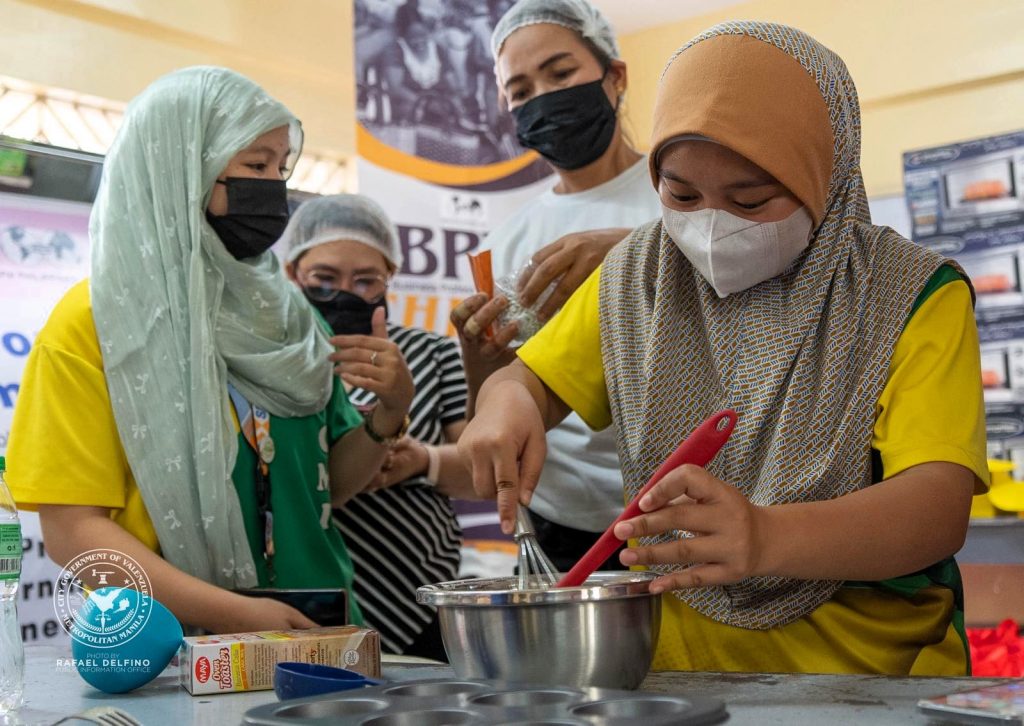
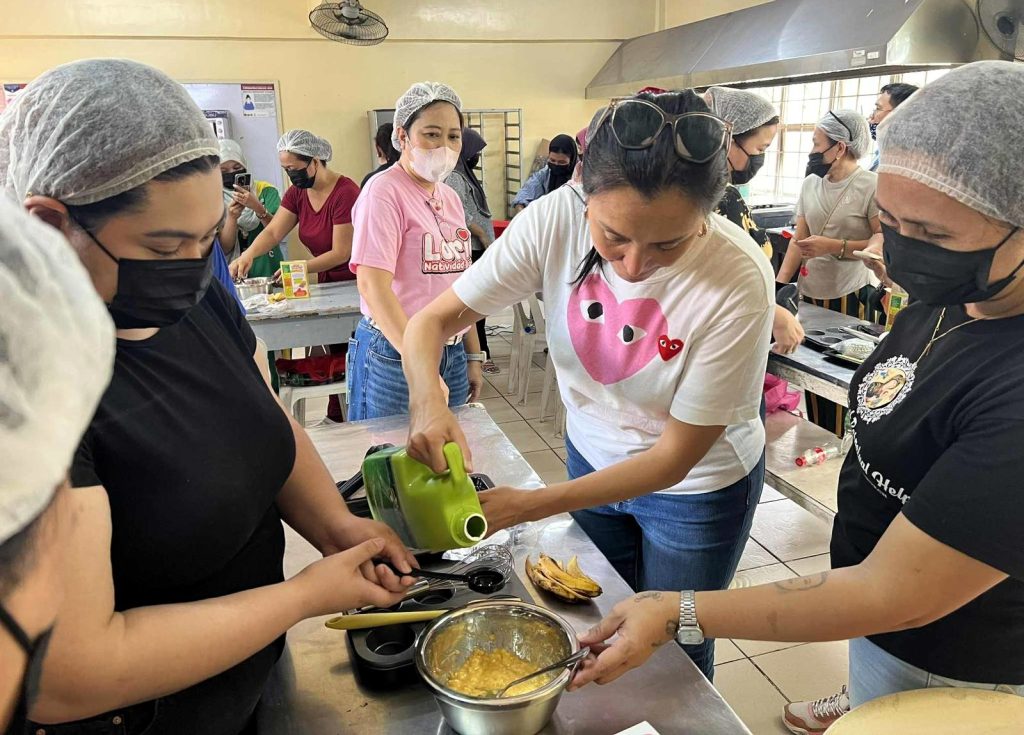
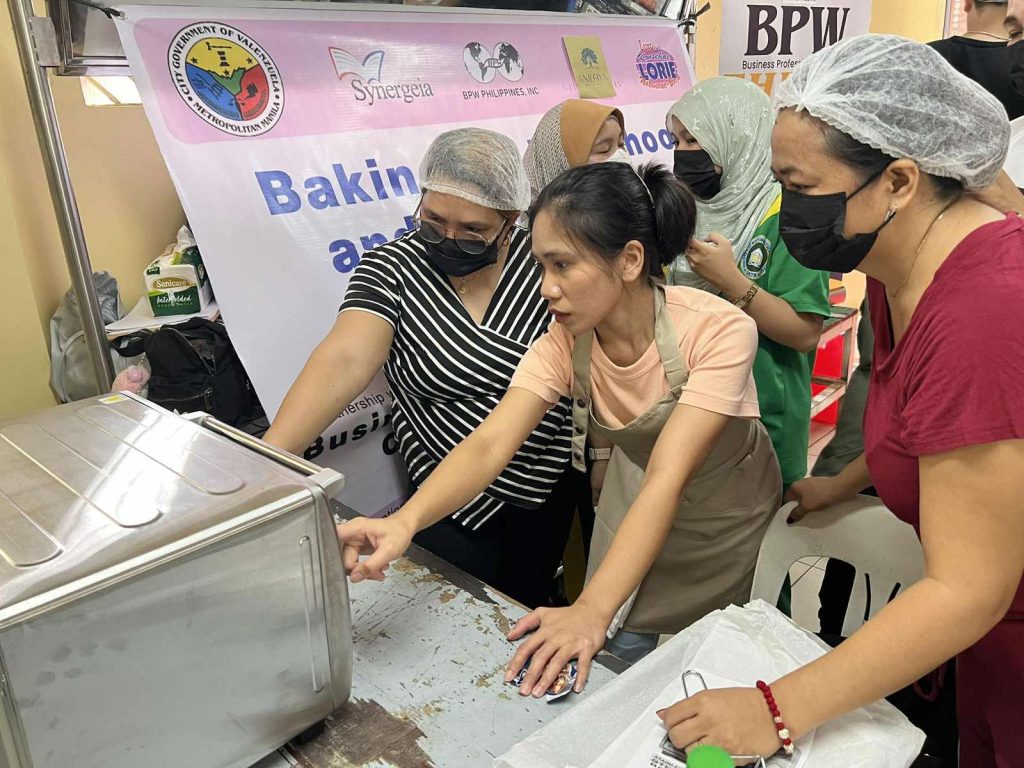
On September 11, 2025, Valenzuela Polytechnic College in Valenzuela City became a hub of hope and empowerment through the “Baking for Livelihood and Empowerment” activity. This initiative brought together 20 resilient women participants, including young mothers, solo parents, unemployed women, and working students, all eager to learn valuable baking skills to improve their livelihoods.
The training was made possible by the collaborative efforts of Synergeia Foundation, the City Government of Valenzuela, led by Mayor Wes Gatchalian, the office of Councilor Lorie Borja, and the Business and Professional Women (BPW) Ayala Chapter, represented by its President, Ms. Ailene Chua.
Participants not only gained valuable baking skills but also received a starter baking kit essential for their small business ventures.
Much to the delight of the participants, their starter kit included a convection oven generously donated by Ms. Jackeline Chua of Anilaya Resort, who also serves as Vice President of BPW Ayala Chapter.
Also a skilled baker, Ms. Jackeline Chua conducted the training with baker Kissie Semillano.
The session opened with a sharing of ideas on the concept of solid waste management. Participants said SWM is about waste segregation and proper waste disposal. Poor SWM results to floods, diseases, and destructive typhoons and climate change. It was discussed how is SWM related to education. Teaching students good citizenship, civic-mindedness and responsibility are important steps in developing care for the environment.
Assessment of Education using the latest Comprehensive Rapid Literacy Assessment (CRLA)
Talking of education, the DepEd representatives shared the CRLA pre-assessments results. The data shows only 39.76% of Grade 3 students to be grade-ready.
Random assessment of Barangays’ solid waste management
Barangay
SWM Plan (Y/N)
SWM Plan Rating
MRF (Y/N)
Remarks
Cabugao
Yes, but not yet implemented
2
Ondoy
Yes, but still 30% completion
3
Santa Cruz
Yes, but not yet implemented
4
Agustin Navarra (grand champion)
Yes. SWM Program and Board both functional
5
Yes
There is segregation
Ilaya-Ivisan
Yes. but not yet fully functional; ordinance on SWM
3
No dumpsite; no segregation
Mianay
Yes. Ordinance on SWM and monthly clean-up drive
4
No segregation; need to educate households on segregation
Malocloc Norte
Yes. DILG compliant; SK leads clean-up drive
4.5
Yes, each sitio has MRF
Cudian
Yes.
4
Matnog
Yes. Weekly clean-up every Saturday with SKs, 4Ps, MSWD
3.5
Malocloc Sur
Yes. Weekly clean-up,
3
Yes (3)
Waste segregation being practiced
Challenges and Issues: Garbage Collection and Disposal system
Brgy Cabugao (coastal community)
Collects plastic bottles and utilize them as planters; some are sold to junk shops; some are used as decorative items
Biggest problem is the garbage along its coastline coming from Roxas City and Aklan
Brgy Basiao (coastal community)
having problems with garbage. Some households segregate but most residents lack discipline
they don’t know how to dispose of residuals
Basiao is a populated community and has many beach resorts which are main contributors to the garbage problem
one of the biggest environmental challenge facing Basiao is the accumulation of solid waste along its coastline. These wastes, which are believed to originate from Roxas City and Aklan, are carried by ocean currents and washed ashore during high tide. In some instances, dead animals were also found drifting along with the debris which contributes to the pollution of the coastal waters.
Brgy Balaring
some households segregate plastic bottles and sell them to junk shops
Garbage collection is done every Saturday
Municipal level
Vehicles passing along Ivisan dump garbage on the road. Usually at night time trucks carrying sacks of garbage intentionally dump them in Ivisan. LGU law enforcers discovered that the vehicle owners are not from Ivisan and believed to be from Roxas City and Sapian.
Lack of discipline among house holds who carelessly and habitually dump their wastes in the streets
Most households and communities do not exercise waste segregation; do not have garbage receptacles or garbage bags for segregating wastes; Do not have knowledge or do not practice composting biodegradables
Garbage collected are brought to the Ecopark where workers do segregation of wastes.
Glass bottles, broken glass and styro foam are not accepted by most junk shops. These types of wastes are stored and consolidated in the Ecopark and brought to Passi City land fill. LGU pays P800 per metric ton of residual waste transferred to Passi City.
Schools
Schools have MRFs where they store plastic bottles and other recyclables
Recyclables are sold to junk shops and proceeds are used for school clean and green program
Plans on Education
Reading Program
Integrate SWM concept in lessons or story reading sessions and materials
Teach good citizenship and values relating to care for the environment
Parents Training: Nanay-Tatay Teacher Training
Educating parents and children on waste reduction, segregation and disposal
Responsible parenting
Teachers Training in teaching beginning/basic reading
Training of Day Care Workers
Barangays’ Wish List
Push cart or wheel barrow – for garbage collection within narrow streets and alleys; hauling garbage from collection point to garbage truck on scheduled pick up
Solar-powered E-bike or Tricycle with side car (made of steel/metal)
E-Bike costs around P70,000 plus the solar power battery
(counterpart sharing with LGU, Brgys and Community Residents)
Each household will be charged monthly waste management fees as their counterpart share for the E-Bike, solar power battery and side car
Provision of Incentives 1) Search for the Best barangays in environmental management and protection
The LGU has an Eco-Park which is owned, managed and operated by the municipal government. Recyclables such as plastic and glass bottles are brought to the Eco-Park for segregation and cleaning/washing. There are 35 ambulant scrappers, 6 waste collectors and ecological aides. Twenty (20) eco aides per barangay work as community street sweepers. They are paid as job order workers and provided with incentives. The scrappers and segregators work in the eco park. Part of their responsibilities is maintenance and upkeep of the eco-park. They segregate and wash plastic bottles and classify them according to size and color. They compost biodegradable wastes, maintain vegetable garden and plant fruit trees. Plant and vegetable seeds are provided by the Municipal Agriculture Office. Park workers also plant flowers in the eco-park. There is an association of Cut Flowers in Ivisan.
A total of 8 junk shops are operating in Ivisan. 2 out of the 8 shops have business permits while 6 have yet to secure local permit to operate their business. Most barangays consolidate and segregate plastic bottle wastes and sell them to junk shops.
The LGU partnered with two aggregators – Villar Sipag Foundation and Enviro-Plastic in Oton, Iloilo. Under the memorandum of agreement (MOA) with Villar, shredded plastic bottles are exchanged for plastic chairs. Enviro Plastic buys plastic bottles, shredded plastics and Styrofoam from Ivisan.
Other plastic bottles are sold to junk shops. Sale proceeds are used to buy water for park workers and detergent for cleaning plastic bottles. Clean bottles command a higher price especially when sorted and classified according to color.
Residual wastes are brought to Passi City sanitary land fill in Iloilo. Ivisan pays P800 per metric ton of residual waste Passi City land fill has facilities to process residuals.
The municipal government allocated P2 million from the General Fund for the reconditioning of eco-park equipment and rehabilitation of the park. The Municipal Environment Officer is hopeful the Eco-park will be fully up and running before the end of 2025.
Interview with MENRO and Eco-park Workers: SWM baseline assessment and capacity building needs
Local Ordinances on Solid Waste Management (copies to be provided to Synergeia)
“No Plastics Day” – every Monday, Wednesday and Saturday
“ No segregation, No collection Policy
Anti-Littering
Barangay MRFs
3 to 5 MRFs per barangay
WACS data (to be provided to Synergeia)
January-July 2025 data being organized by Ma’am Clyde, MENRO
2021 or 2022 data to be provided
Proposed Capacity Building/Training for Ivisan
4.1 Enforcement of Brgy SWM Plans, Local Ordinances – techniques on enforcement
4.2 Refresher on Environment and SWM Laws and Implementation
4.3 Strategies on Creating SWM Board and Barangay Committee – 5 to 8 participants per barangay
4.4 Scrappers Training (include junk shop operators)
Training on Recycling/Upcycling/Composting
Production of materials out of scraps
4.5 Livelihood Skills Training
Agri-crop production/vegetable gardening
Cookery and food preparation
Beauty care
Sewing (e.g. creating bag from tarpaulin, etc)
5) Organization of Waste Collectors and Scrappers into a cooperative or association
35 ambulant scrappers
6 waste collectors
20 Eco aides
6) Needs of Waste collectors and Scrappers
Boots
Hand gloves
Rain coat
Reusable face mask
Long sleeves shirt
Working pants
Large umbrella (to be used when washing bottles and gardening)