“Real leadership is about transforming limitations into possibilities.”- Robin Sharma
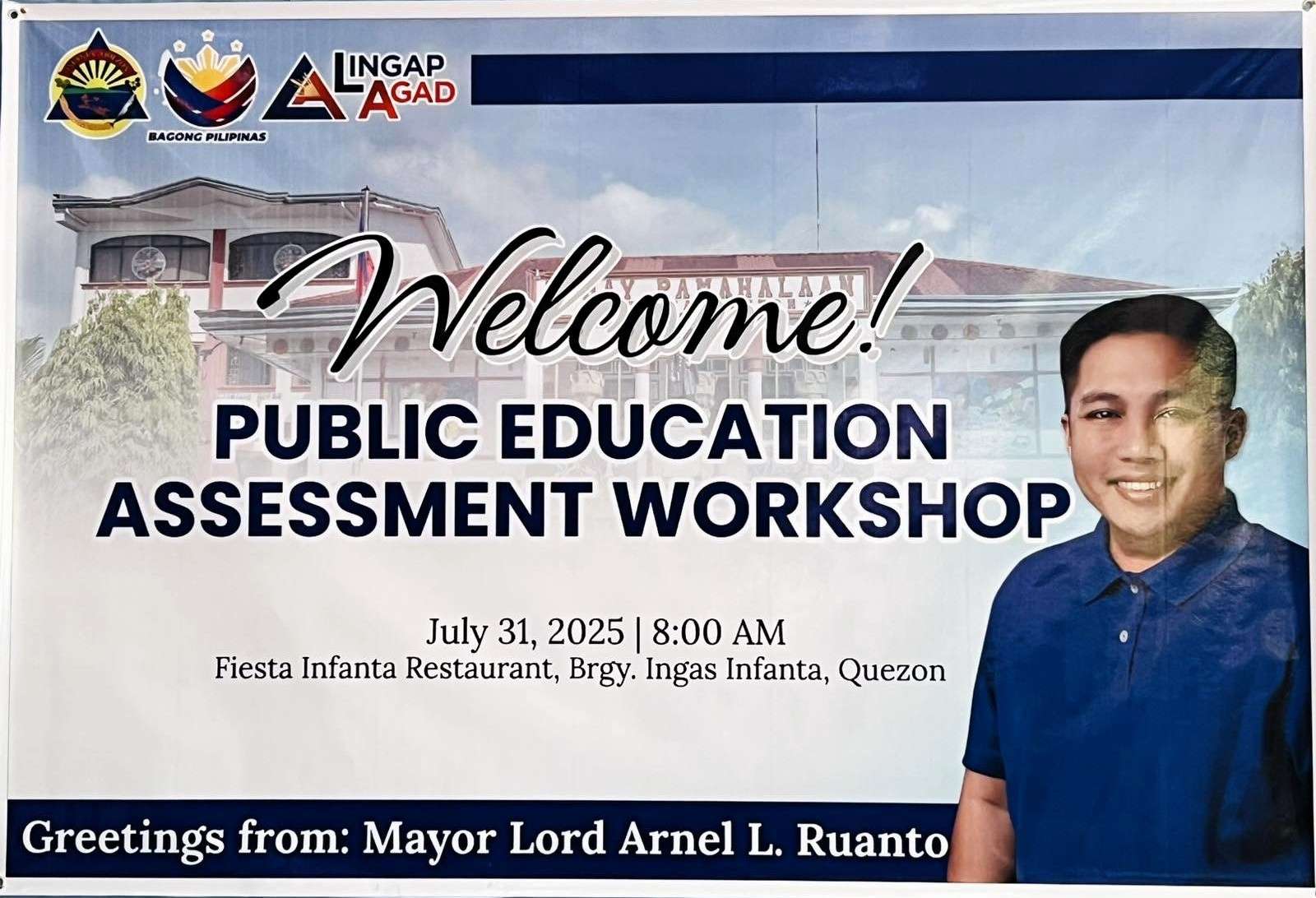
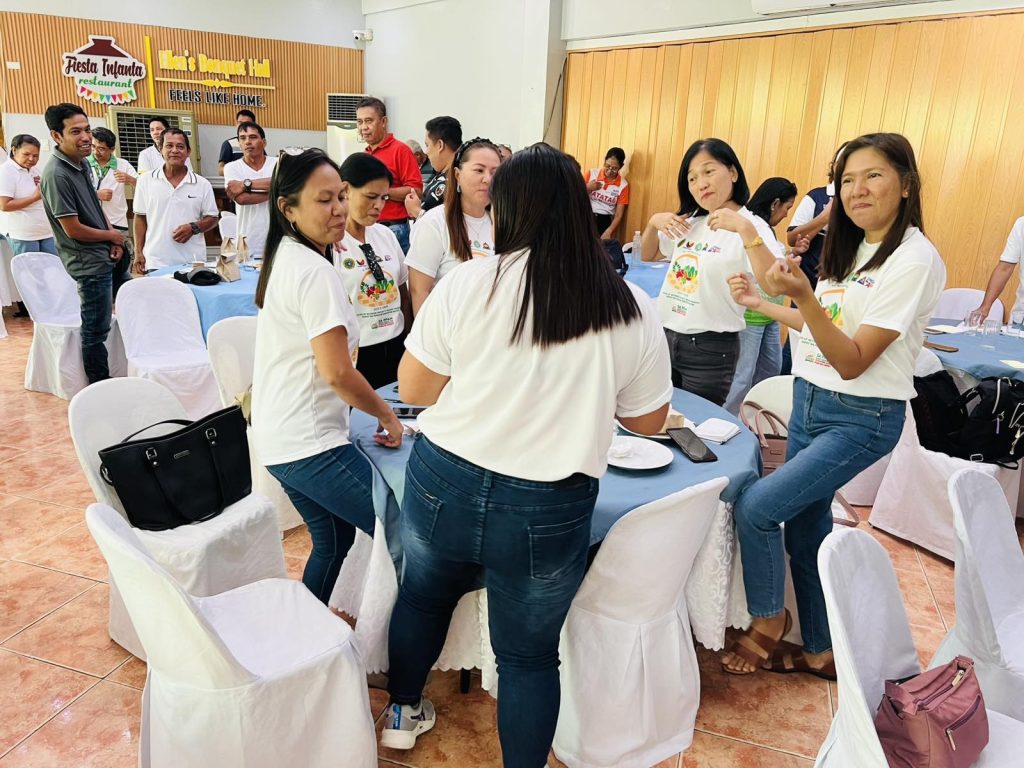
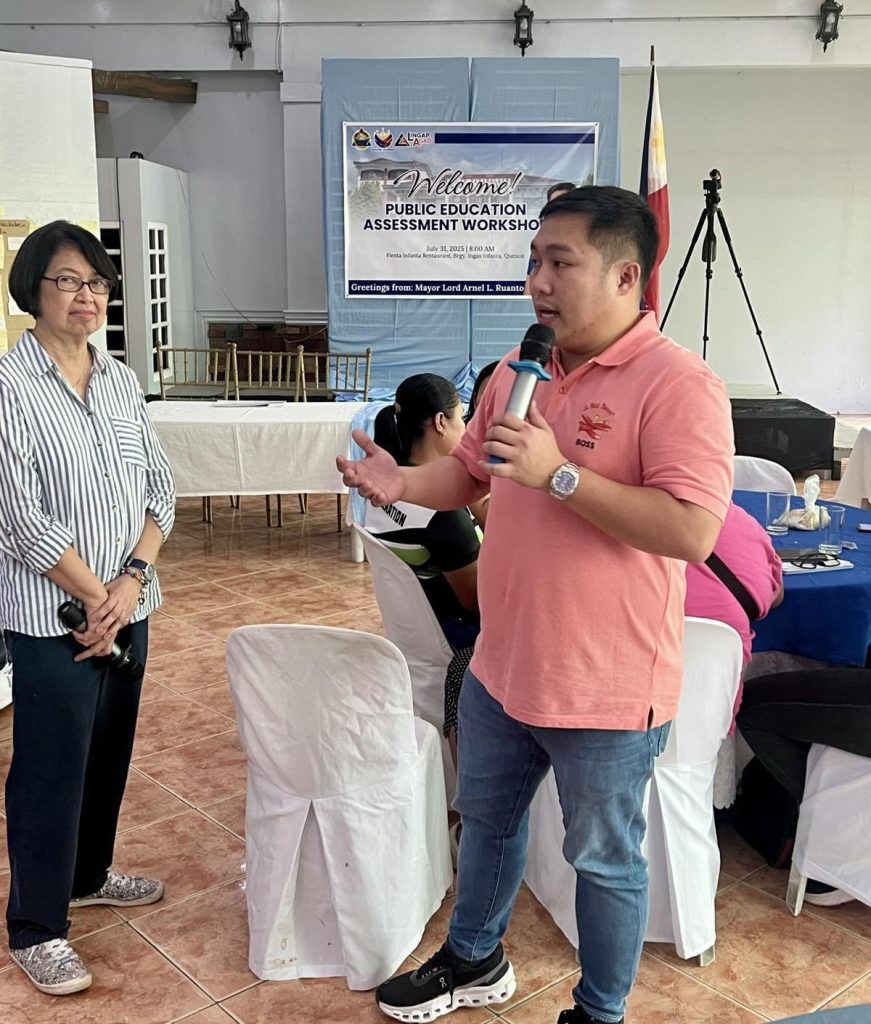
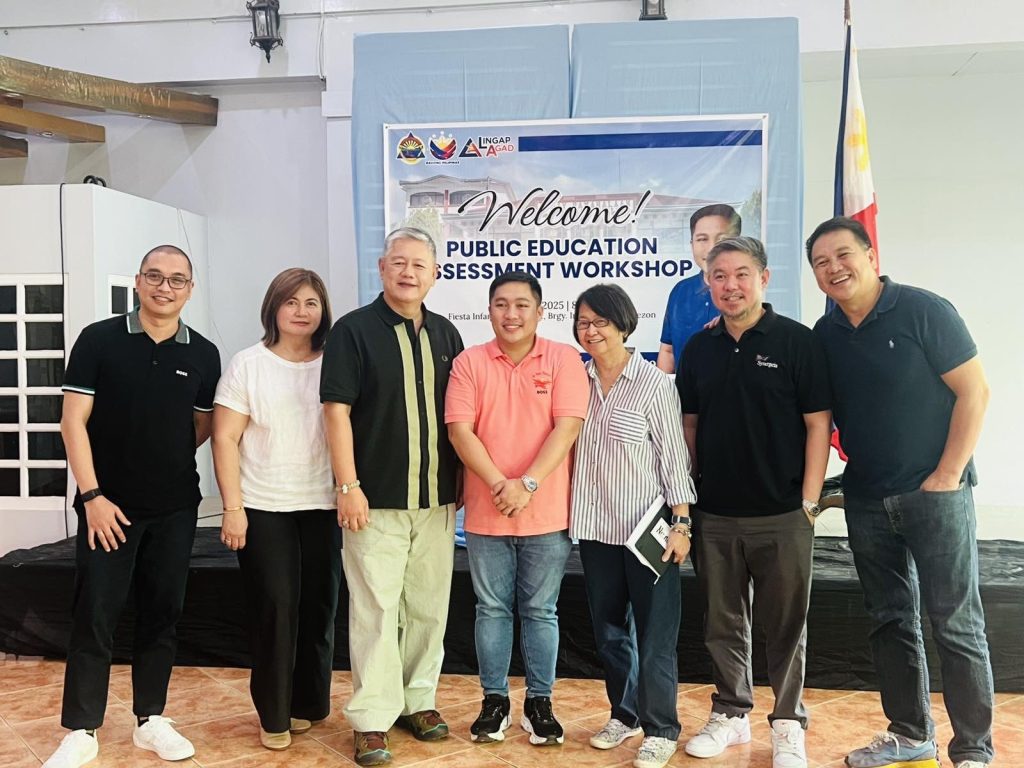
This was echoed by the newest LGU leader in Synergeia’s movement, the recently-elected Mayor of Infanta, Quezon, Lord Arnel Ruanto during the education assessment workshop conducted by Synergeia with the town’s stakeholders- public school principals, teachers, barangay leaders, parents, DepEd officials and LGU officers.
Mayor LA, as he is fondly called, listened to the issues and concerns of his constituents which negatively affect reading literacy and performance among its students.
Based on data, Infanta’s reading literacy and performance is remarkably weak and challenged by many considerations, including: a. Lack of familiarity and knowledge about the role of Local School Boards in education governance; b. Lack of learning resources; c. Apparent lack to weak involvement of parents in effectively helping their children to read and raising their discipline and values in the use of gadgets; d. Lack to weak capability of teachers in teaching reading; and e. Need to improve community support.
To this end and considering the importance of LGU leadership and support, Mayor LA affirmed his commitment to address these challenges through well-designed programs which are aimed at delivering better data on reading literacy and performance in Infanta.
Synergeia’s partnership with the Infanta LGU innovates on models of data-driven changes in education in the country utilizing the power of LGUs to transform communities toward sustainable frontiers of learning and capacity-building.
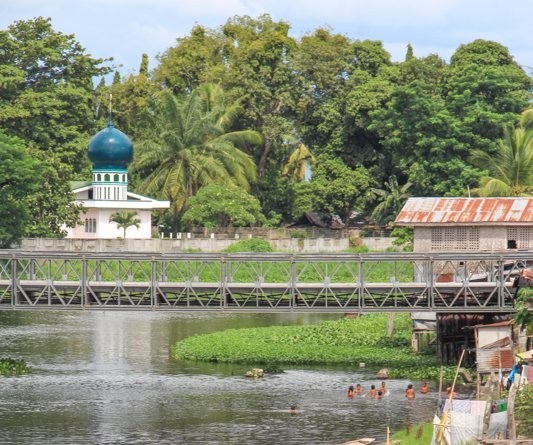
In the lakeside town of Mangudadatu, nestled by the shimmering waters of Lake Buluan, a quiet revolution in environmental stewardship is taking place. At the heart of this movement is Zaddam Alim, the dedicated and visionary principal of Tumbao Central Elementary School.
Zaddam’s journey began with a dream of education. He graduated with a degree in Education in 2012, driven by a passion to uplift his community through learning. He began his career humbly as a volunteer teacher at Tumbao Central Elementary School, a public school in Mangudadatu, where he served tirelessly from 2012 to 2016. Zaddam gave his time, heart, and energy to his students without the benefit of a regular salary. His perseverance and dedication were finally rewarded in 2017, when he was regularized and appointed as the school principal.
But Zaddam’s commitment to service extended beyond the classroom.
During the height of the COVID-19 pandemic, when face-to-face classes were suspended and schools fell silent, Zaddam found himself searching for ways to support his family and make use of his time productively. He turned to the very lifeblood of his lakeside community—fishing. Investing in a 1-hectare fish cage venture in Lake Buluan, Zaddam provided livelihood not only for himself but also for a local caretaker. The arrangement was simple but fair: the caretaker received 20% of the harvest, along with free rice, free use of wooden banca, and nylon fishing nets provided by Zaddam.
It was during one of his visits to the lake that Zaddam noticed a troubling pattern—discarded nylon fishing nets littering the shores, tangled among rocks and reeds, slowly becoming part of the environment. These nets were not being recycled or disposed of properly. They were durable and nearly indestructible, making them a silent hazard to both land and water ecosystems.
This observation sparked an idea.
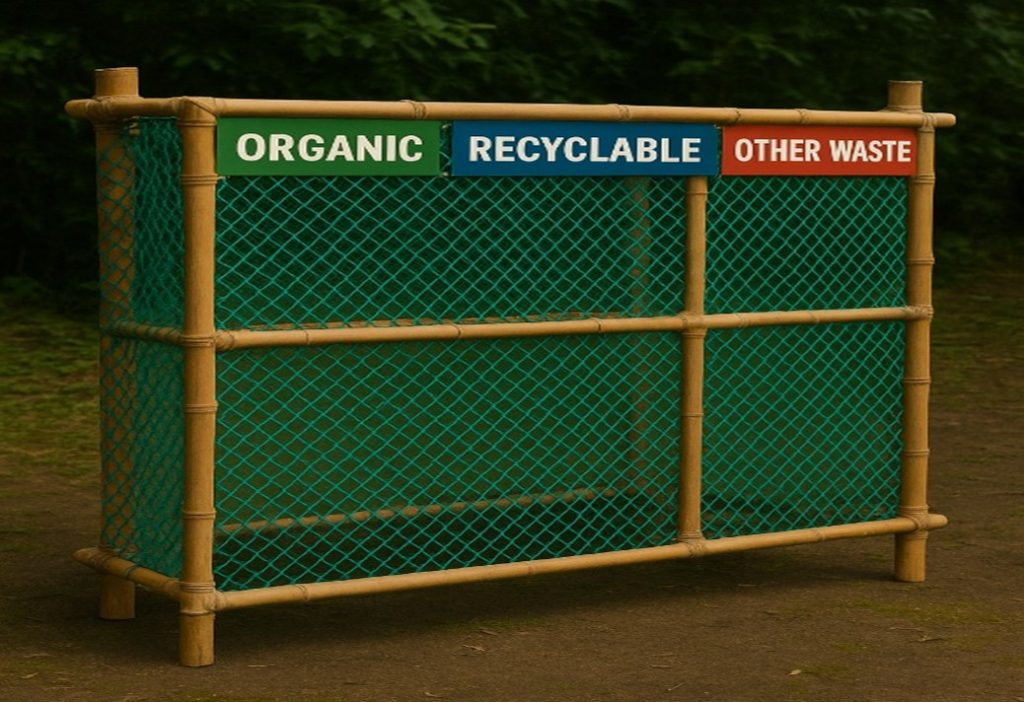
Back at school, Zaddam had been grappling with another problem: managing the school’s solid waste, particularly PET plastic bottles and plastic materials. He wanted to install material recovery bins, but the cost of using traditional materials like steel matting was too high for their limited budget. That’s when inspiration struck—why not repurpose the used nylon fishing nets?
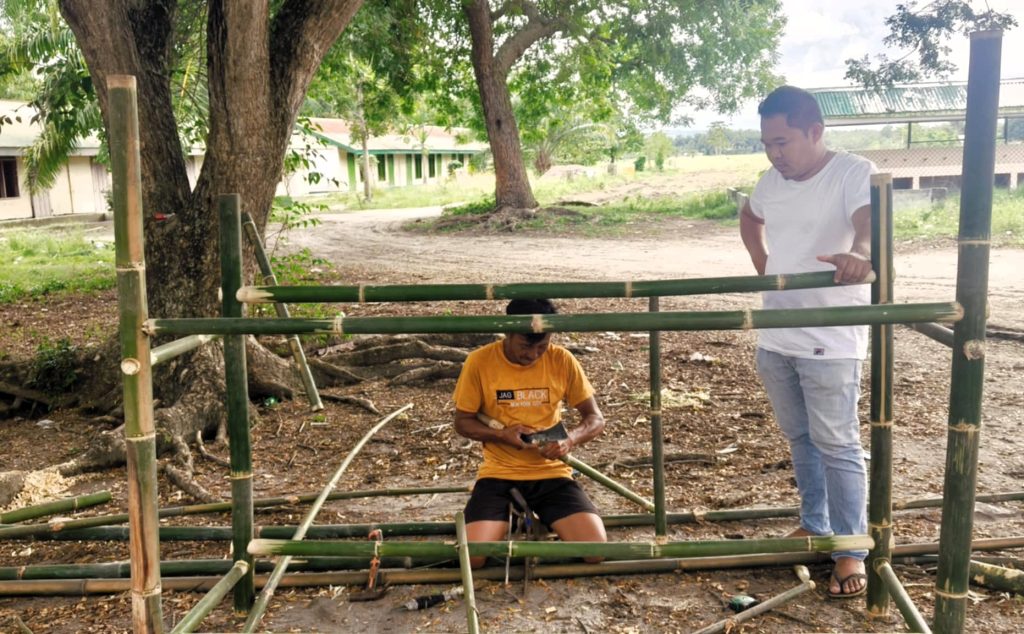
He began experimenting, working with local fabricators and community members to build recovery bins made from old fishing nets. The results were remarkable. The bins were durable, weather-resistant, and, most importantly, cost-effective. By using the discarded nets, Zaddam not only solved the issue of excess fishing waste but also created a sustainable waste management solution for his school.
Under his leadership, Tumbao Central Elementary School rolled out the first batch of these innovative recovery bins across the campus. Students were taught how to segregate plastic waste, and the bins themselves became a teaching tool about recycling, sustainability, and community responsibility.
The initiative gained attention from other schools in Mangudadatu, and Zaddam, ever the teacher at heart, began sharing his model. He conducted workshops for other principals, showing how the humble nylon net—once considered garbage—could be transformed into a tool for environmental protection and education.
Today, Principal Zaddam Alim is not only recognized as a leader in education but also as a pioneer in grassroots environmental innovation. His program continues to expand, with plans to implement similar recovery systems in all public elementary schools in Mangudadatu.
Through his vision and resourcefulness, Zaddam has shown that change doesn’t always require big budgets or high technology. Sometimes, it begins with a simple observation, a deep sense of responsibility, and a net full of possibilities.
Since 2022, Synergeia has made it a priority to spend time each year with the Barangay Health Workers (BHWs) of Marawi City. Over time, we have formed a meaningful bond with these dedicated community workers, inspired by their growing commitment to their roles as community health advocates. The transformation of Marawi’s BHWs is a story of learning, empowerment and purpose.
In the beginning, many of the BHWs served in title only. Their work lacked the passion and compassion that are essential to the role. They had limited knowledge of basic medical care, such as first aid, and were unable to offer guidance on preventive health measures. But through consistent training and support from Synergeia—made possible by a grant from the Asian Development Bank (ADB), they began to evolve.
They were trained in first aid and essential medical care, including monitoring blood pressure, blood sugar, oxygen levels, and body temperature. They also learned to use devices and tools like BP monitors, glucometers, oximeters, and thermometers. This hands-on training empowered them to respond more effectively to medical emergencies and provide proactive community care.
Over time, we witnessed a profound transformation. The BHWs grew in confidence and took pride in their work. They became respected health partners in their communities, regularly assisting residents with health checks and medical guidance. Residents of the community began to visit health centers for routine blood pressure and sugar monitoring. BHWs also conducted house-to-house visits and health profiling to assess residents’ conditions and update the barangay health database.
Their role expanded further: assisting doctors and nurses with vaccination drives and deworming campaigns, supporting pregnant mothers with prenatal checkups, and spreading awareness about essential health programs from the City Health Office. They became trusted messengers, encouraging community members to seek medical attention and adopt healthier lifestyles.
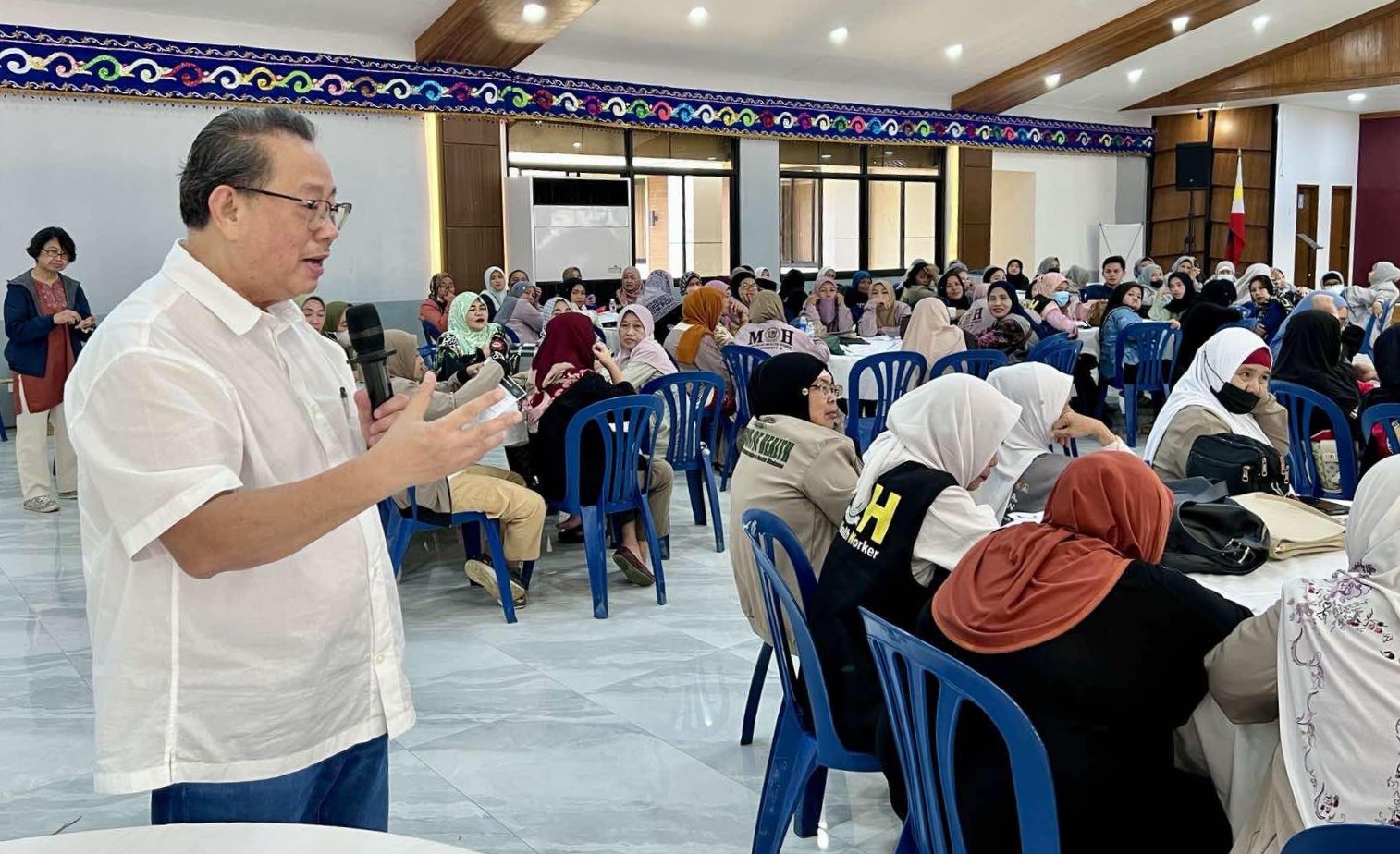
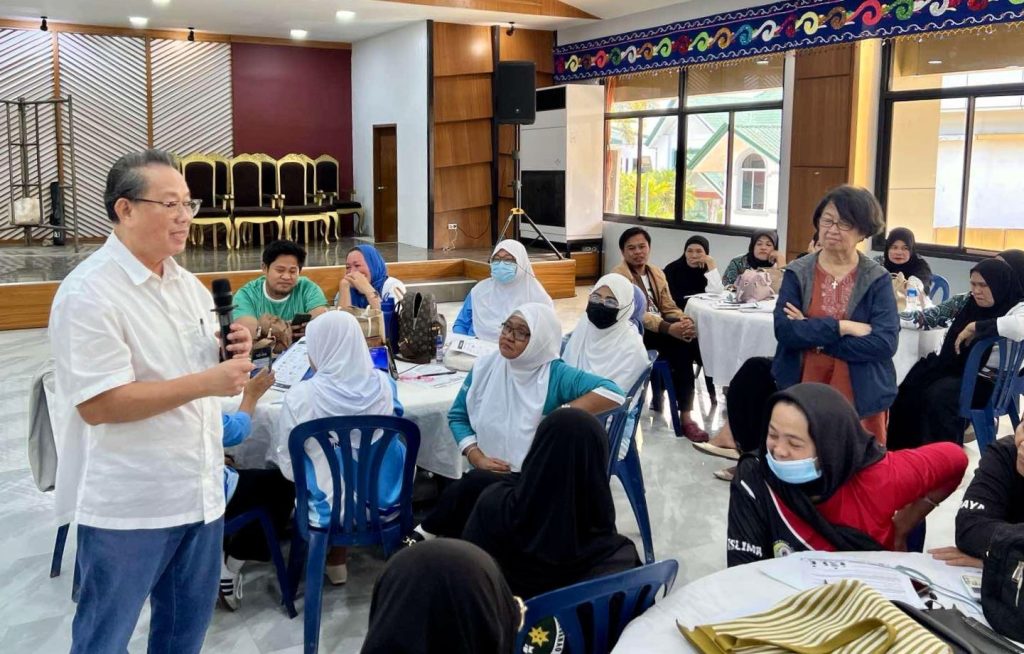
At the most recent Synergeia training on July 5, 2025, BHWs shared the many ways they’ve been making a difference: conducting surveys of household and communal toilets, identifying malnourished children, supporting mothers during post-partum care, promoting family planning, and emphasizing the importance of child immunization.
During the session, Dr. Rey Aquino shared practical tips on preventive health care—how to avoid illness through self-care, stress management, a healthy diet, regular exercise, good sleep, and routine medical checkups. He reminded everyone that “health is wealth,” and that lasting change begins with a healthy lifestyle and strong social support.
But the journey doesn’t end here. The BHWs expressed a desire for continued capacity-building. They want to be better equipped to address post-partum care, child development, and child malnutrition. They wish to deepen their understanding of infectious diseases such as tuberculosis, HIV, and STD, learning how to recognize symptoms, educate others on prevention, and provide appropriate care. They also emphasized the need for further education on sanitation, proper toilet use, waste management, and access to potable/clean water.
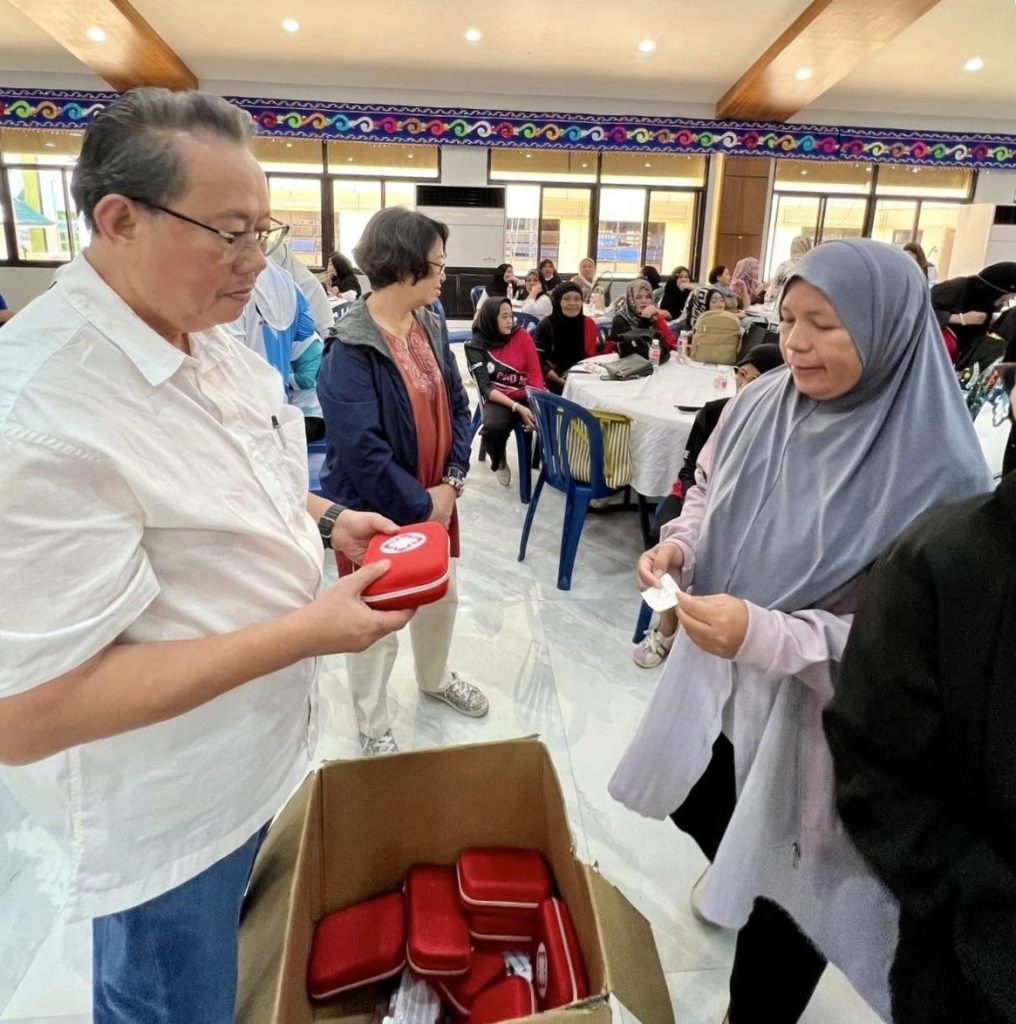
As the training concluded, the BHWs acquired new knowledge, first aid kits, a supply of essential medicines, and hearts full of hope. Their journey reflects the power of education, the value of community service, and the beauty of transformation. They are not just barangay health workers—they are champions of health and healing in Marawi City.