Iloilo City Adopts Focal Mentoring System to Sustain Quality Education

Iloilo City now has a shared plan to help more of its children read well.

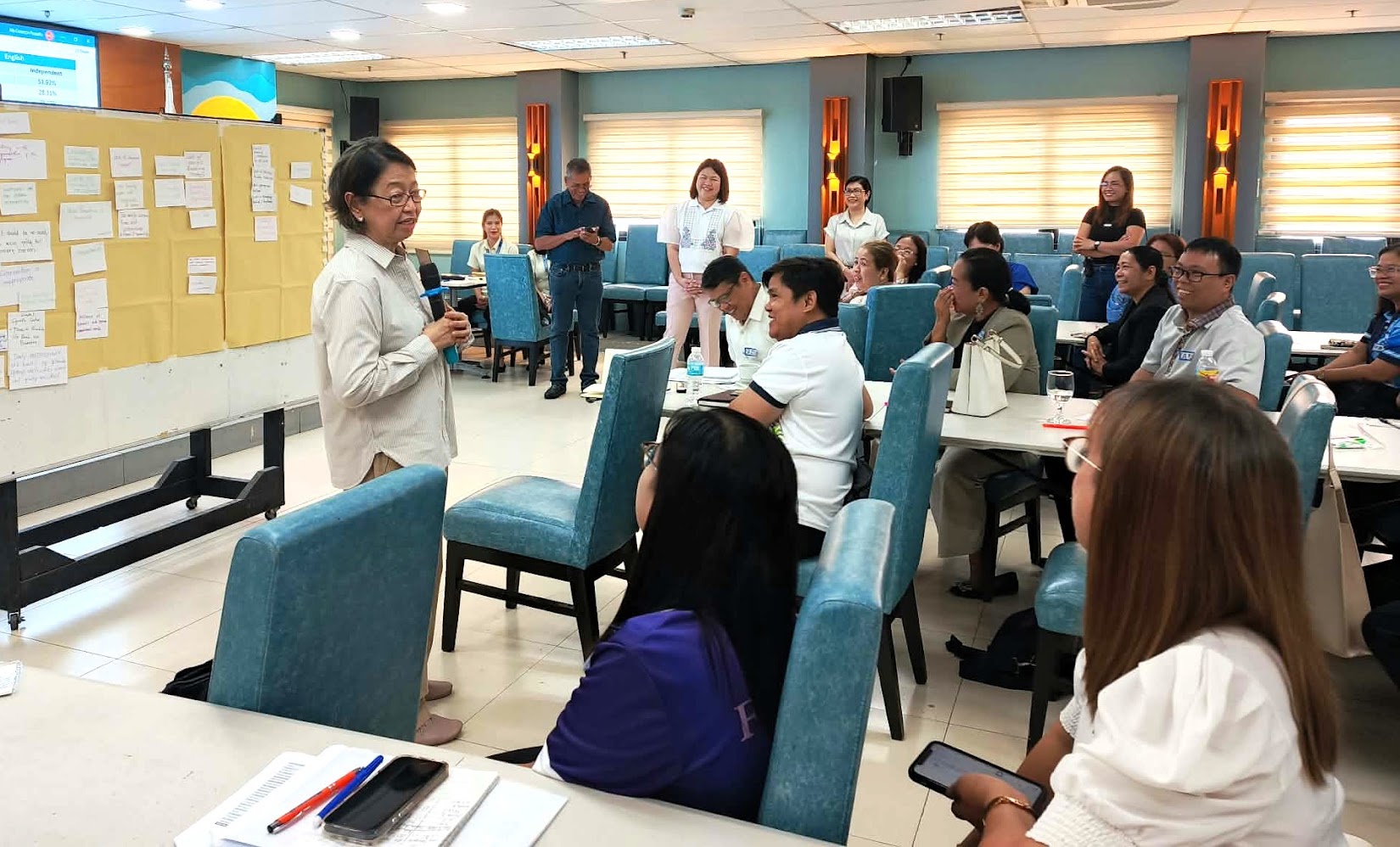
Last November 11, education leaders, school heads, teachers and city officials convened to look squarely at the city’s reading data, agree on why learners are struggling, and assign a person to lead each solution. The result is the Focal Mentoring System for Sustainability and Quality Education, the city’s new framework for sustained literacy improvement.

The Literacy Consultative Meeting was initiated by Synergeia Foundation in partnership with the Schools Division of Iloilo City and the City Government of Iloilo, with the support of the city government under Mayor Raisa Maria C. Treñas. It was led by Synergeia Foundation’s Founding President, Dr. Milwida M. Guevara, known to partners as Ma’am Nene.

Owning the Data

Dr. Guevara presented the city’s Children’s Reading and Language Assessment (CRLA), which covers reading proficiency, word recognition, reading comprehension and language skills of students. The results showed that a significant number of learners still struggle with basic reading and comprehension.

“Let’s not be shy with the results, and let’s not point fingers, either. This is all our responsibility,” said Dr. Guevara while reminding them that Synergeia has worked on these kinds of problems for 23 years, yet many remain, and in some ways have grown worse.

She also acknowledged the city government’s strong support for education, then offered a challenge: “We have a generous budget for education, yet the problems persist. Wherever resources are entrusted to us, we must ensure they bear good fruit. It is not about funding alone, it is about what we do, together.”

Honorable Mayor Raisa Treñas thanked Synergeia for its guidance and echoed the spirit of the day, saying “We see the truth in the CRLA data but let there be no blaming. Today, we simply name the problems so we can focus on the way forward.”

It was noted during the discussion that learners fell behind during the pandemic, when modules replaced face-to-face learning, and that “that is nobody’s fault.”

Finding Solutions Together

Using meta cards, each participant wrote down the problems they see in their own classrooms and schools, then posted and grouped them on the board so everyone could view the full picture. Participants described the process as “eye-opening and liberating because no one was blamed, only understood.”

The key challenges included gaps in teacher competence, training, and commitment; weak learner engagement and assessment; inadequate reading materials; limited parental support; and difficulty reaching remote schools.

They also cited unidentified learning disabilities, low learner motivation due to financial constraints, and the need for stronger teacher supervision and monitoring of literacy programs.

The group then shifted from identifying problems to developing solutions, with each proposed intervention addressing specific root causes.

Their proposed solutions included assessing learners’ reading levels, providing differentiated instruction, strengthening practical teacher training, and developing localized reading materials. The group also recommended standardized mentoring and monitoring, research-based interventions, peer-learning programs, differentiated parenting support, and stronger barangay involvement.

Other priorities included early-grade reading, flexible class schedules, and enhanced SPED services through technology, partnerships, dedicated classrooms, and additional teachers.

Funding Literacy

Mayor Treñas shared that the city’s Special Education Fund (SEF) has not yet been signed, leaving room to realign budget toward literacy.

The local chief executive also confirmed that 180 new classrooms are under construction this year, that solar power projects for schools are underway, and that the city will fully support whatever literacy programs come out of the group.

On a personal note, she shared that her own habit of reading three books every night with her daughter, Thea, inspired the city’s push for school libraries and mobile libraries in markets, barangays and public spaces, adding “When we nurture a love for reading early, we nurture a love for school. We are building a generation of readers.”

As the consultative meeting ended, everyone committed to making literacy a shared, data-driven responsibility by starting interventions early, working with the Iloilo City Government to fund identified needs, exploring additional support through the SEF, and using the Focal Mentoring System to sustain literacy improvement.
From Group Reading Sessions to Writing Workshops, Dao Students Share Their Learning Plans at Municipal Education Summit

The spirit of partnership, purpose, and hope brought together education leaders, local officials, teachers, parents, and community stakeholders for the Dao Municipal Education Summit, with the theme, PASANYOG 2026: Advancing Education, Shaping a Brighter Future Together.

Initiated by the Municipality of Dao, Capiz, its Local School Board (LSB), Department of Education (DepEd) Dao District, and Synergeia Foundation, the event highlighted the local government’s education milestones and plans in sustaining them.

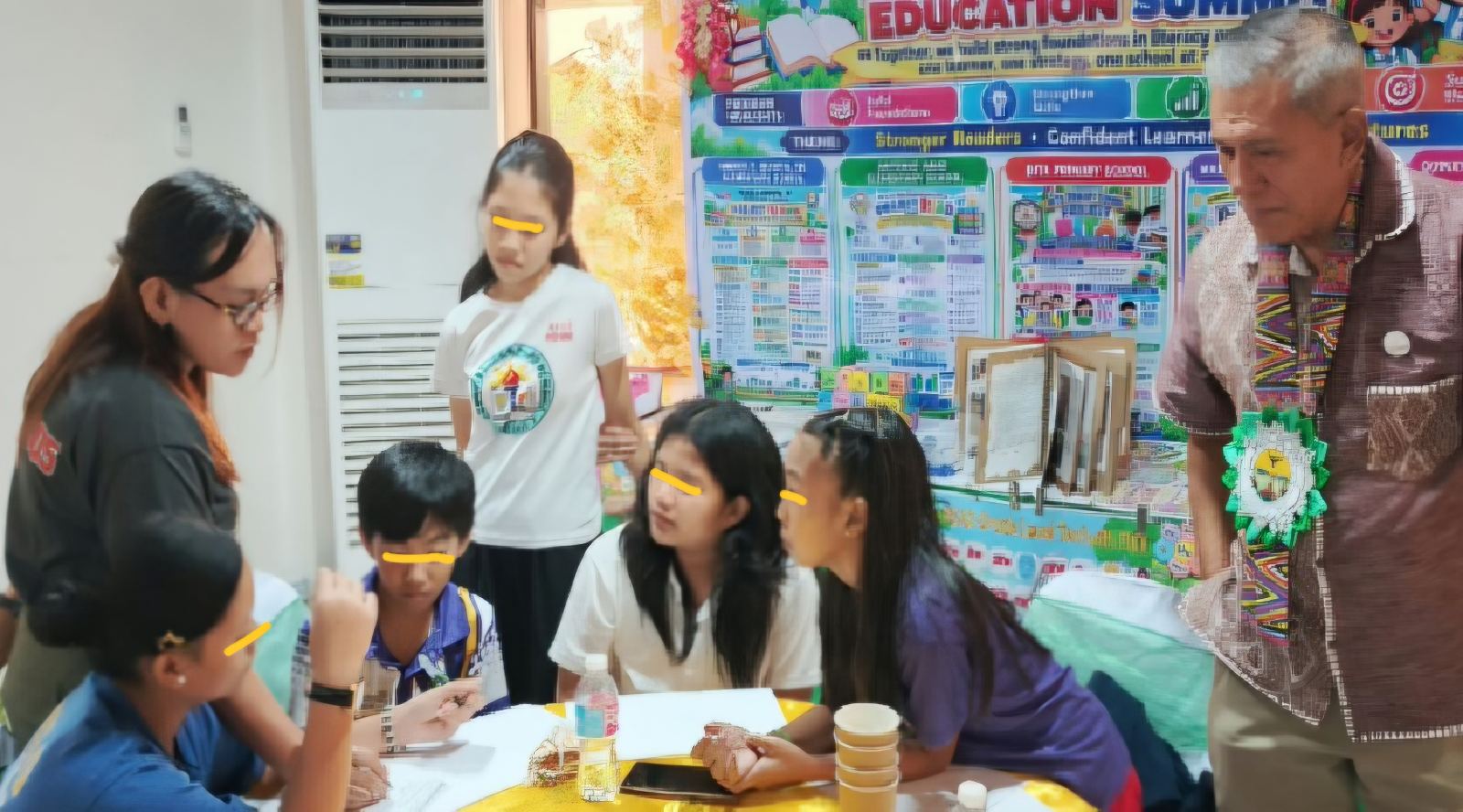
Students proposed implementing a student-led literacy project featuring group reading sessions, storytelling and writing workshops, along with the municipality’s very own National Reading Month celebration. They further shared plans to use interactive teaching methods such as reading games and roleplay designed to make learning enjoyable while building vocabulary, comprehension, and confidence.

Recognizing Good Education Governance

Honorable Jose Jimbo D. Barruela, Mayor of the Municipality of Dao, celebrated their proud national recognition, which is the Seal of Good Education Governance.

Awarded by Synergeia Foundation and its partner organizations, the Seal recognizes local governments that have reinvented their Local School Boards, engaged communities in improving children’s learning, achieved high retention and cohort survival rates, significantly reduced the number of non-readers and frustrated readers, and increased the number of independent readers.

“This award belongs to every citizen of Dao,” said Mayor Barruela while calling on all to remove barriers between the local government unit and schools, to speak openly, and to work as one to ensure programs reach every learner who needs them most.

A progress report presented at the summit showed fewer Grades 1 to 3 learners struggling with reading and more students reading confidently at grade level. For Mathematics, it was reported that learners are reaching the highest proficiency standards.

DepEd Schools Division Superintendent Dr. Roel F. Bermejo encouraged the participants to “turn vision into action, emphasizing that plans mean little if they remain on paper, and that the path forward calls to move from plans to implementation, from promises to performance, and from working alone to working together.” The delegates were also reminded by DepEd Schools District Supervisor Dr. Lalain E. Delos Santos that no one succeeds alone but every person, in schools, homes, and barangays, has a vital role in guiding children to read, learn, and grow.

In his message, Dao Municipal Local Government Operations Officer Joey R. Almanzor affirmed that excellence must remain the standard, and that strong cross-sector collaboration will be vital to moving programs from planning to practice.

Shaping a Brighter Future Together

During the Navigating Learning Workshop led by Edwin N. Nacionales, Synergeia Foundation’s Program Officer for Visayas, participants translated shared goals into concrete action.

School heads presented a six-point action plan focused on building child-friendly learning spaces, upgrading teachers’ skills through regular training, developing localized learning materials, strengthening instructional support systems, sustaining proven programs, and deepening community partnerships.

They noted that every initiative will be guided by consistent, careful analysis of assessment data including results from Comprehensive Rapid Literacy Assessment, Philippine Informal Reading Inventory, and Rapid Mathematics Assessment ensuring plans respond to real needs and progress is clearly measured.

Barangay leaders, on their part, committed to establishing reading centers and equipping them with books and resources. Additionally, they included plans of training out-of-school youth as tutors, organizing activities such as a Reading Olympics, and creating safe, encouraging spaces for learning.

Also, Parent-Teacher Associations, parents, and community groups will be advancing Good Manners and Right Conduct formation, recognizing the contributions of officers and parents alike, ensuring school safety, conducting guidance and counselling, and reviving mother-father teacher storytelling to nurture both literacy and family bonds. They also agreed on guiding children home by 6:00 PM in every barangay, and on setting healthy limits on screen time to support their well-being.

Pag-uswag sang Edukasyon, Pagpasanyog sang aton Palaabuton

Through good education governance, the Municipality of Dao is building a system where every child learns to read and understand, every learner gains confidence in working with numbers, every school and community offers safe and encouraging spaces for growth, and every stakeholder has a clear role in guiding children toward success.

As the gathering concluded, one message resonated: “Padayon kita sa pagbinuligay, Padayon kita sa paguswag, kag Padayon kita sa pagpasanyog sang palaabuton sang aton Kabataan,” let us keep helping one another, keep moving forward, and keep shaping a brighter future for the children of Dao, together.

Contributed by M. A. Pecaoco

Synergeia Foundation, PhilTower MIDC, and Data Lake Advance Digital Inclusion in Schools Through “Connecting Futures”

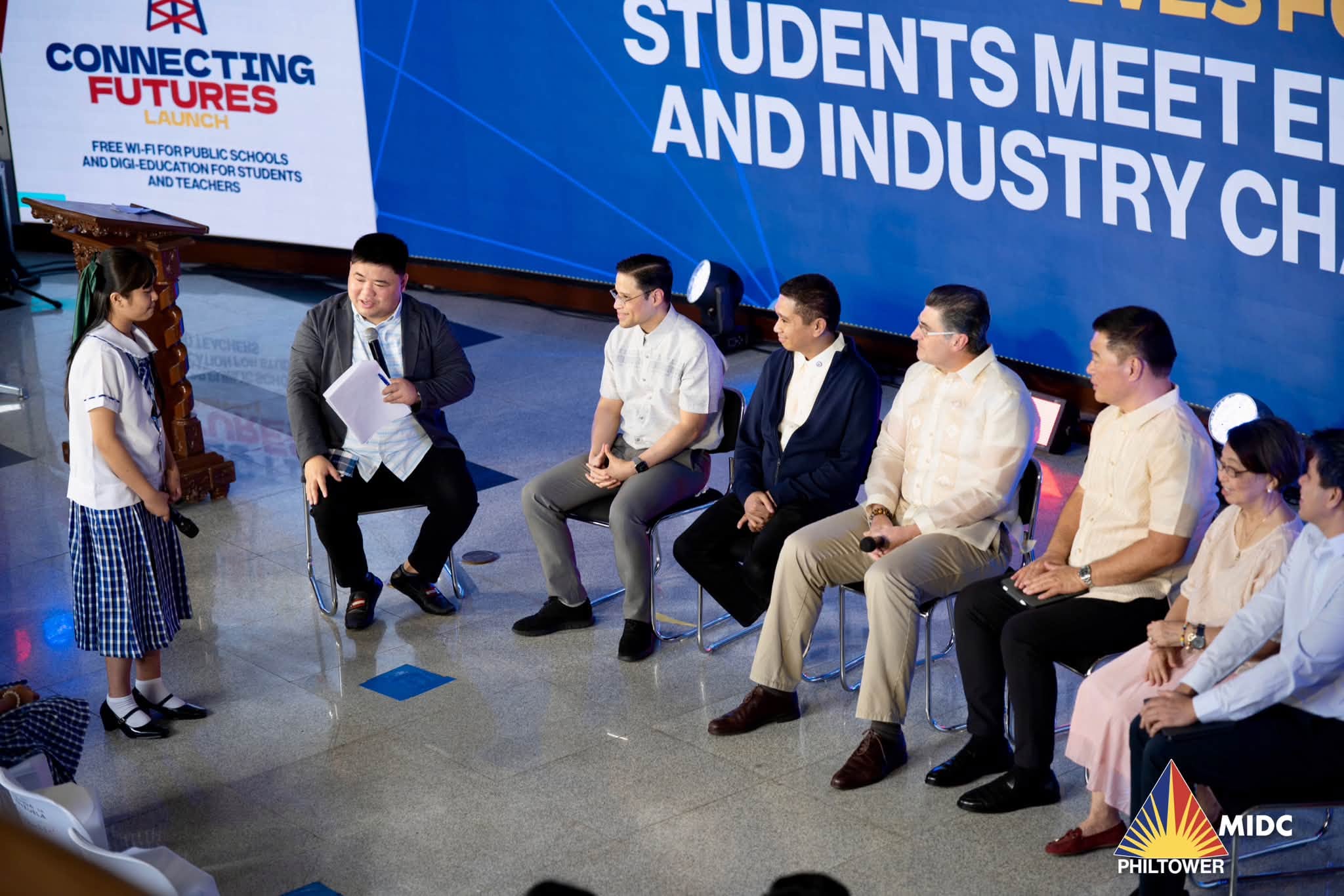
Synergeia Foundation, PhilTower MIDC, and Data Lake, Inc. recently launched “Connecting Futures,” an initiative promoting digital inclusion by providing free internet connectivity and digital learning opportunities to selected public schools in the Philippines.

Through the initiative, schools with limited or no internet connectivity in 12 Synergeia partner local government units (LGUs), namely Pasig City, Valenzuela City, and Navotas City in Metro Manila; Pililla, Rizal; San Fernando City, La Union; and Balanga City, Bataan in Luzon; Balamban, Cebu; Igbaras and Pototan, Iloilo; and Maasin, Iloilo, in the Visayas; and Iligan City, Lanao del Norte, and Marawi City, Lanao del Sur, in Mindanao will gain access to free Wi-Fi connectivity powered by Starlink satellite internet services.

Complementing the connectivity component, the said foundation which champions good local governance primarily through education will provide digital learning modules and capacity-building activities to address the learning needs of students and teachers and enhance the quality of classroom instruction.

“Connectivity is only the starting point. What makes ‘Connecting Futures’ different is that we are pairing it with our Digi-Education program. Together with our LGU partners, we will train teachers and students not just to get online, but to use connectivity meaningfully for learning, research, and communication in the classroom,” said Milwida M. Guevara, Founding President and General Counsel of Synergeia.

The initiative was officially launched on September 10, 2026, at Valenzuela City Hall, with Valenzuela City Mayor Wes Gatchalian hosting the event. Iligan City Mayor Fred Siao and Pililla, Rizal Mayor John Masinsin also shared messages of gratitude for the inclusion of their respective LGUs among the project’s beneficiaries.

The initiative was made possible through an USD 100,000 grant awarded to PhilTower MIDC through the Macquarie Shared Value Awards, an annual corporate recognition program established by the Macquarie Group Foundation. PhilTower MIDC is a major joint venture and digital infrastructure provider in the Philippines, while Data Lake, Inc. is the first authorized Starlink reseller in the Philippines and Southeast Asia. The project includes the provision of satellite equipment and free internet subscriptions from September 2026 through March 2028.

The Department of Education’s Quality Basic Education Development Plan 2025-2035 reported that, based on School Year 2023-2024 data, 12,532 schools lacked both internet connectivity and electricity, while 9,535 schools lacked computers.

Through “Connecting Futures,” the partners aim to help bridge the digital divide in public education by expanding opportunities for students and teachers in underserved communities to access digital resources and leverage technology to enhance teaching and learning outcomes.

bursa escort bursa escort