


For many children in the Municipality of Saguiaran, Lanao del Sur, this truth mirrors their reality: when a child cannot read, learning becomes a mountain too steep to climb.
Saguiaran sits at the gateway to Marawi—the first municipality you pass when coming from Lanao del Norte. For many travelers, it is just a stop along the way. But for the children of Saguiaran, it is where the future begins. Yet if that future were measured by their ability to read today, it would seem uncertain.
At the start of School Year 2025–2026, the results of the Comprehensive Rapid Literacy Assessment (CRLA) told a sobering truth. Only two out of every ten children in Grades 1 to 3 could read at their grade level. In Grade 3, the figure was even lower—just 13.57 percent. These were not just statistics. They were children struggling to make sense of words on a page.
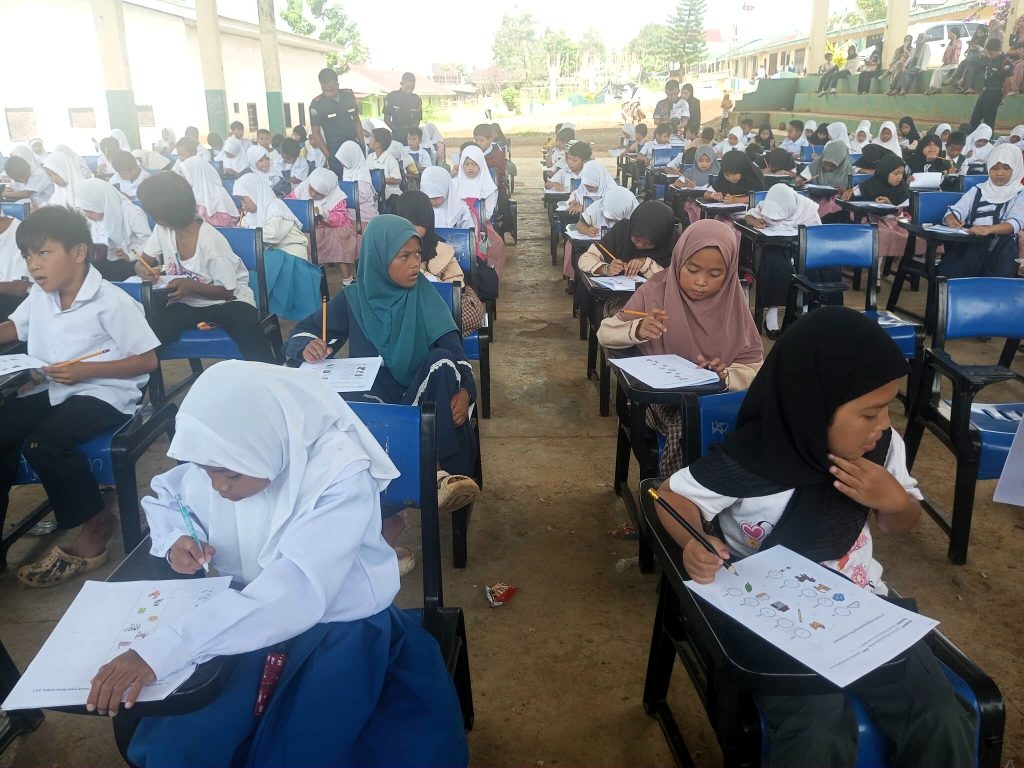
Synergeia Foundation, a long-time partner of the municipality, understood the gravity of this challenge. In partnership with Telus International and under the leadership of the Municipality of Saguiaran, Synergeia designed a six-month program aimed at improving the reading skills of Grade 3 children by strengthening the capacity of 75 teachers to teach reading effectively.
Synergeia met the members of the Local School Board last July 2025. to discuss the reading data. Principals spoke, not just with concern, but with urgency. One high school principal shared a story that showed the truth from the ground: “I have Grade 7 students who still cannot read.” Imagine that—young people already in high school, yet locked out of the world of words.
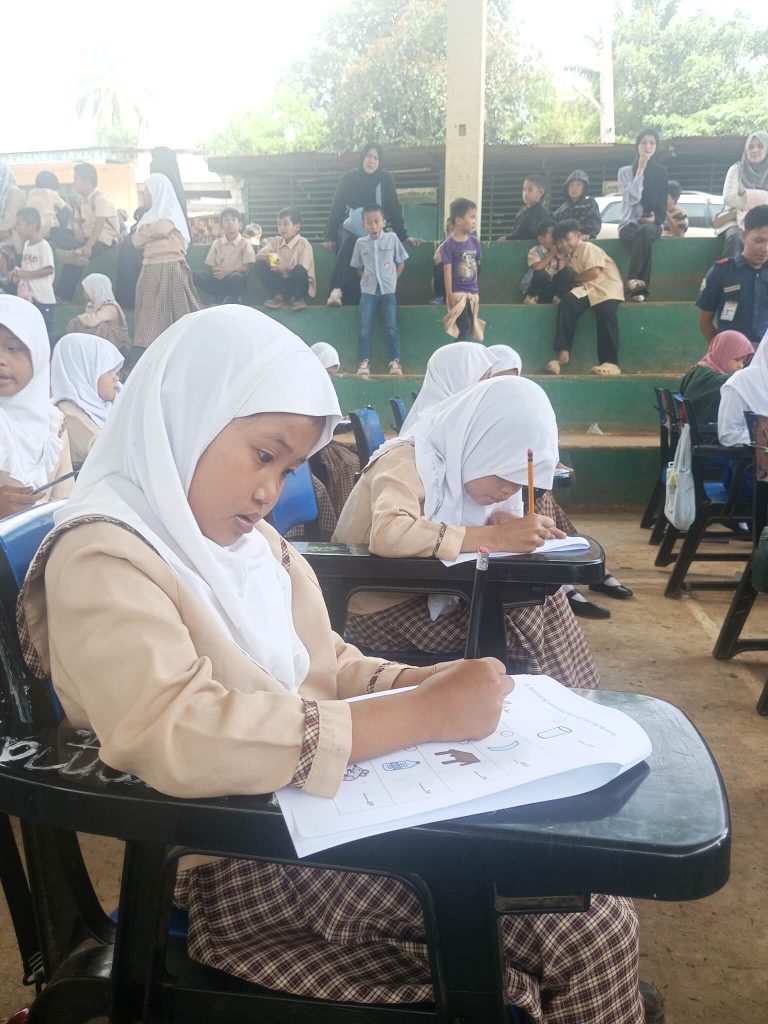
By November 10, the program took a significant step forward with a baseline assessment usingtools developed by Synergeia. It was a true community effort—local leaders, members of the police force, and even religious figures volunteered as proctors. One hundred eighty-two students participated in the test. This wasn’t about judgment; it was about understanding. Where do we begin? How far do we need to go? The answers would shape the journey ahead.
Then came the training—the heart of the program. On November 12, seventy-five teachers gathered, ready to learn, ready to change. And what a training it was. At the front stood Synergeia’s founder, Dr. Milwida Guevara, leading every session with passion and purpose. Teachers discovered that reading begins with sound—the correct sound of each letter, not just its name. They explored creative ways to teach comprehension through songs, stories, and laughter. The room buzzed with energy, filled with hope and determination. There were moments of humor too, as teachers practiced pronunciation.
One simple word—“ube”—turned into a chorus of attempts: Ovi…Ove… Ubi… Ube. Each mistake brought smiles, each correction brought confidence. It was learning as it should be —alive, engaging, and full of promise.
Even Mayor Jalal Angin was not spared from the interactive session. At one point, he stood at the center of the group and read a poem aloud. But he didn’t just read—he brought the words to life with gestures and expression, showing every teacher in the room that true leadership leads by example. His voice rose and fell with meaning, his actions animated the lines. The teachers applauded, smiling and cheering. It was a simple act, yet it spoke volumes: reading is for everyone, and when leaders embrace it, they inspire others to do the same
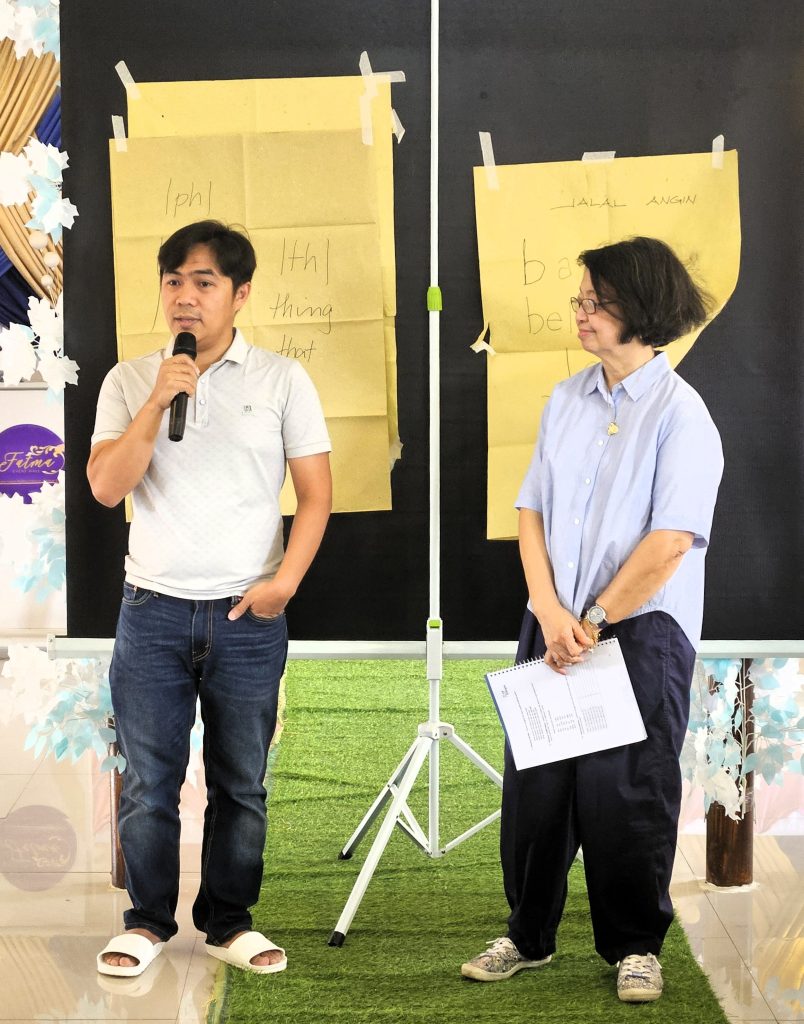
Later, the good Mayor shared his dream for the children of Saguiaran. And true to being a strong partner of Synergeia, he began with numbers. He declared that for this school year, the municipality should aim high—to raise the percentage of Grade 3 students reading at grade level from a mere 13% to an ambitious 70%. It was a bold goal, but one that reflected hope, determination, and a belief that together, change is possible.
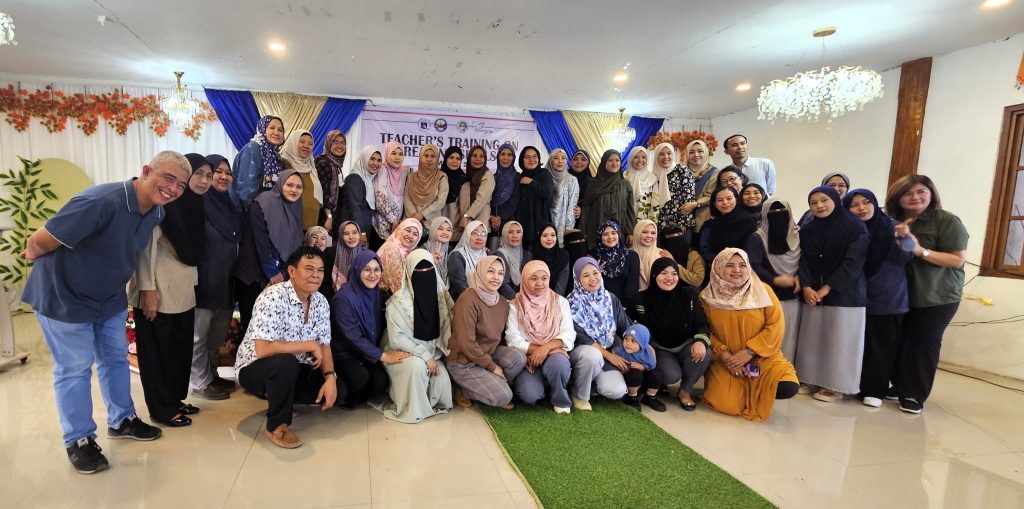
Saguiaran is just beginning its journey. In the coming months, teachers will put into practice what they have learned. Each school will launch its own reading program, turning lessons into action. Synergeia, as a committed partner, will remain present—guiding, supporting, and walking alongside the teachers. And by the end of the school year, when the CRLA is conducted once again, Saguiaran hopes to see the numbers rise and prove that real change has begun.

